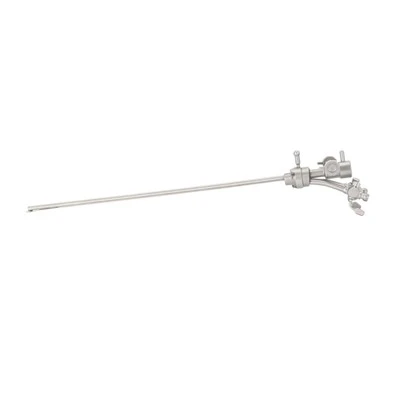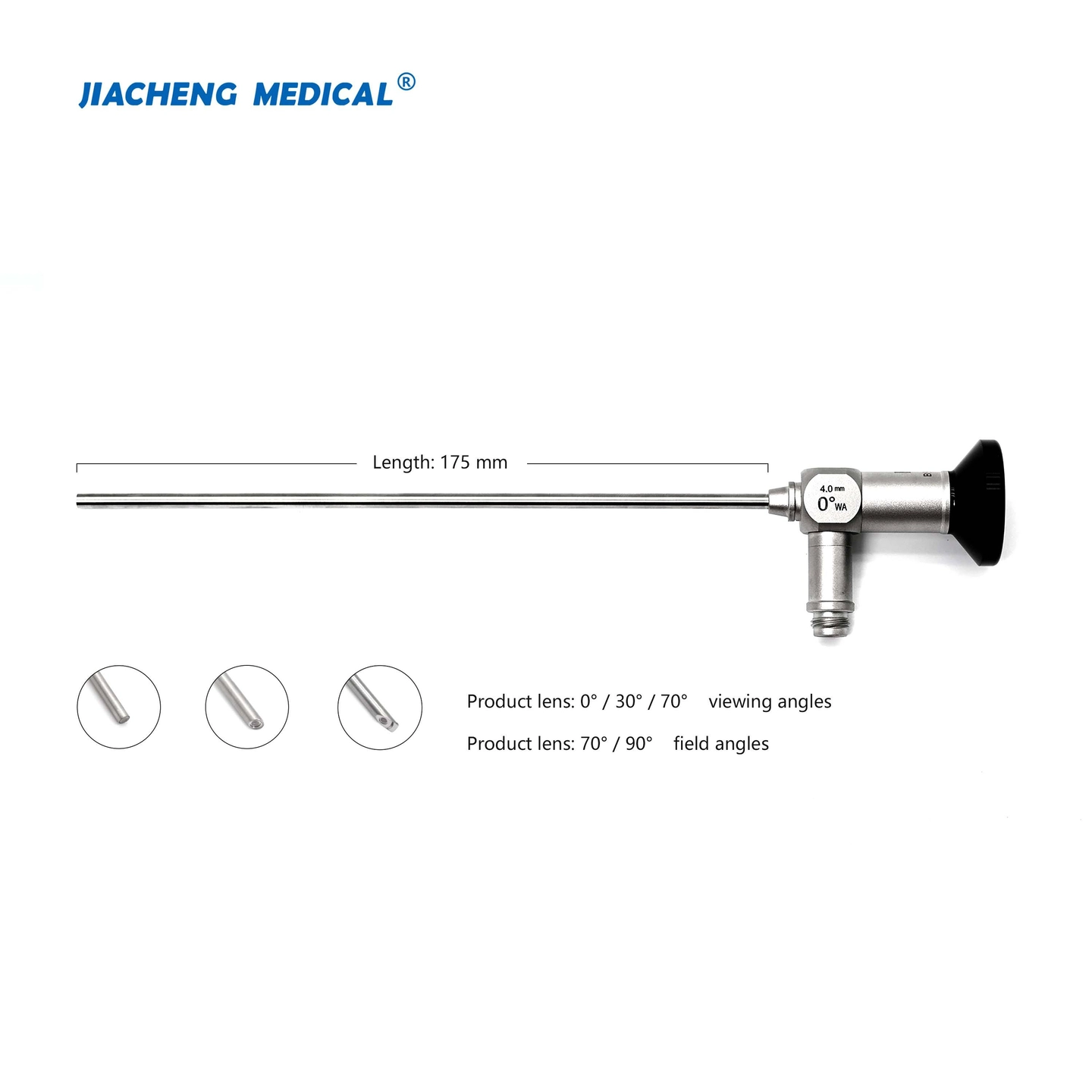



Product Overview
Single-use surgical instruments provide sterile, ready-to-use functionality designed to eliminate cross-contamination risks and bypass reprocessing overhead in high-turnover healthcare environments. Each instrument is individually packaged, Ethylene Oxide (EtO) sterilized, and validated for immediate clinical deployment. By removing instrument cleaning, inspection, and autoclave validation cycles, healthcare facilities reduce central sterile processing bottlenecks, lower operational costs, and eliminate bioburden cross-infection risks inherent in multi-use alternatives.
-
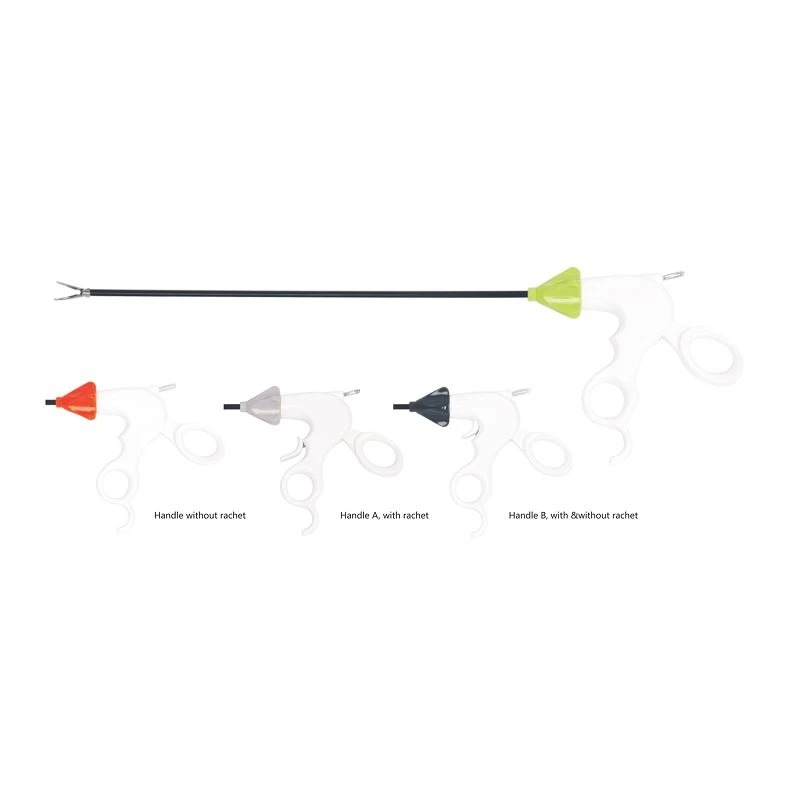
![Disposable Maryland Pliers]() Disposable Maryland PliersDisposable laparoscopic devices signify a paradigm shift in minimally invasive surgery, providing a sterile, performance-assured, and logistically streamlined choice to regular reprocessable tools. This complete set of disposable...view more
-
![Disposable Bendable Gripper]() Disposable Bendable GripperDuring stomach surgeries, this significant lateral bending performance of the distal tip allows surgeons to navigate spherical anatomical structures, retract tissue from difficult angles, and function special dissection in tight areas...view more
-
![Disposable Electrocoagulation Gripper]() Disposable Electrocoagulation GripperDisposable electrosurgical contraptions are single-use surgical gadgets that reap decreasing and coagulation elements with the aid of way of handing over electrical energy to tissue in the path of procedures.view more
-
![Disposable Trocar]() Disposable TrocarA disposable trocar is a crucial factor for organising a secure and secure entry port into the stomach cavity in the course of laparoscopic surgery. A disposable trocar is a pre-assembled, sterile unit consisting of a sharp obturator...view more
-
![Disposable Orthopedic Knife]() Disposable Orthopedic KnifeDisposable orthopedic burrs/shaver blades are precision equipment for minimally invasive orthopedic surgery. They are used with well suited electricity systems.Their core characteristic is to assist surgeons precisely and safely deal...view more


Instrument Types
Dissecting & Tissue Forceps
Thumb, Adson, and DeBakey patterns featuring precision-milled serrations and microridge tips for secure, atraumatic tissue manipulation.
01
Hemostatic Forceps
Crile, Kelly, and Mosquito clamps engineered with precision-broached box-locks and smooth multi-position ratchets to prevent lateral jaw play.
02
Surgical Scissors
Metzenbaum, Mayo, and iris patterns featuring induction-hardened cutting edges designed for clean, shear tissue dissection without tissue-tearing.
03
Needle Holders
Hegar and Mayo-Hegar drivers integrated with textured tungsten carbide inserts to ensure non-slip suture needle stability under high rotational torque.
04
Scalpel Handles & Blades
Compliant standard number 3 and number 4 handles paired with carbon or martensitic stainless steel sterile blades.
05
Technical Specs
|
Specification |
Parameter Standard |
|
Material Composition |
AISI 410 / 420 Martensitic Stainless Steel; Austenitic grades for specific handle components |
|
Surface Finish |
Passivated, non-reflective micro-blasted matte finish to eliminate surgical headlight glare |
|
Hardness Rating |
48 to 52 HRC (Rockwell C scale) verified via indentation hardness testing for cutting and gripping durability |
|
Dimensional Tolerance |
plus or minus 0.05 mm on critical working end geometries (tip alignment and box-lock clearance) |
|
Cleanroom Standard |
Ultrasonic cleaned in purified water prior to controlled cleanroom assembly and packaging |
Ambulatory Surgery Centers (ASCs): Streamlines surgical tray turnover between outpatient procedures by removing central sterile processing dependencies.
Emergency & Trauma Units: Guarantees immediate, out-of-pack availability of sterile, factory-calibrated instruments during high-pressure interventions.
Remote & Field Healthcare: Eliminates reliance on on-site autoclave infrastructure and utility stability in mobile, field, or austere medical missions.
Materials & Construction
Instruments are fabricated from certified stainless steel alloy coils through precision stamping, drop forging, or 5-axis CNC milling.
Box-Lock Engineering
Hinge joints undergo precision broaching and hand-fitting to ensure smooth articulation and zero lateral slip during clamping.
Ratchet Integrity
Ratchet teeth are CNC-profiled to engage consistently across a minimum of 10 locking cycles without premature wear or jamming.
Cutting Edge Geometry
Blade edges are precision-ground at specific shear angles and diamond-honed to maintain cutting integrity throughout the procedure.
Sterility, Usage & Packaging
Sterilization Validation: Ethylene Oxide (EtO) gas sterilization validated according to established biological safety protocols, maintaining residual EtO levels strictly below statutory safety limits.
Barrier Packaging: Double-pouch configuration utilizing medical-grade Tyvek and multi-layer polyethylene film, engineered for aseptic peel-open transfer into the sterile field.
Shelf Life: 5-year sterile shelf life validated through real-time and accelerated aging test protocols.
Traceability & Marking: Laser-etched with single-use restriction symbols, precise lot numbers, and barcoded identifiers for complete hospital inventory traceability.
Manufacturing & Quality
Production operations are housed within a certified quality-managed manufacturing plant, utilizing controlled cleanrooms for final component inspection and packaging.
Incoming Material Verification
Every coil of stainless steel undergoes Positive Material Identification (PMI) spectrometer testing to confirm elemental composition against mill test certificates.
In-Process Metrology
Optical comparators and laser micrometer screening verify tip alignment, jaw closure gaps, and hinge tolerances at a 100 percent inspection rate for critical dimensions.
Destructive & Biological Testing
Production lots undergo regular destructive tensile breaking tests, corrosion resistance salt spray testing, and bioburden and endotoxin verification prior to lot release.

OEM / Customization
Contract manufacturing capabilities support private-label branding, customized instrument geometries, and bespoke procedural kit configurations for medical device brand owners and distributors.
Tooling Development
Dedicated engineering teams translate client CAD specifications into production-ready stamping and forging tooling within a 4-week validation window.
Custom Laser Marking
Proprietary client logos, specific data matrices, and custom metric scale markings are laser-etched directly onto instrument shanks.
Procedural Tray Assembly
Component sorting and sterile barrier packaging tailored to specific surgical specialties (for example, dental kits, suture removal trays, minor surgery packs).
FAQ
We're well-known as one of the leading disposable surgical instruments manufacturers and suppliers in China, specialized in providing high quality customized service to global clients. Please feel free to buy discount disposable surgical instruments from our factory. Contact us for more details.