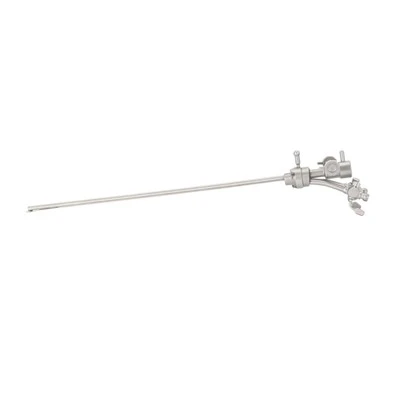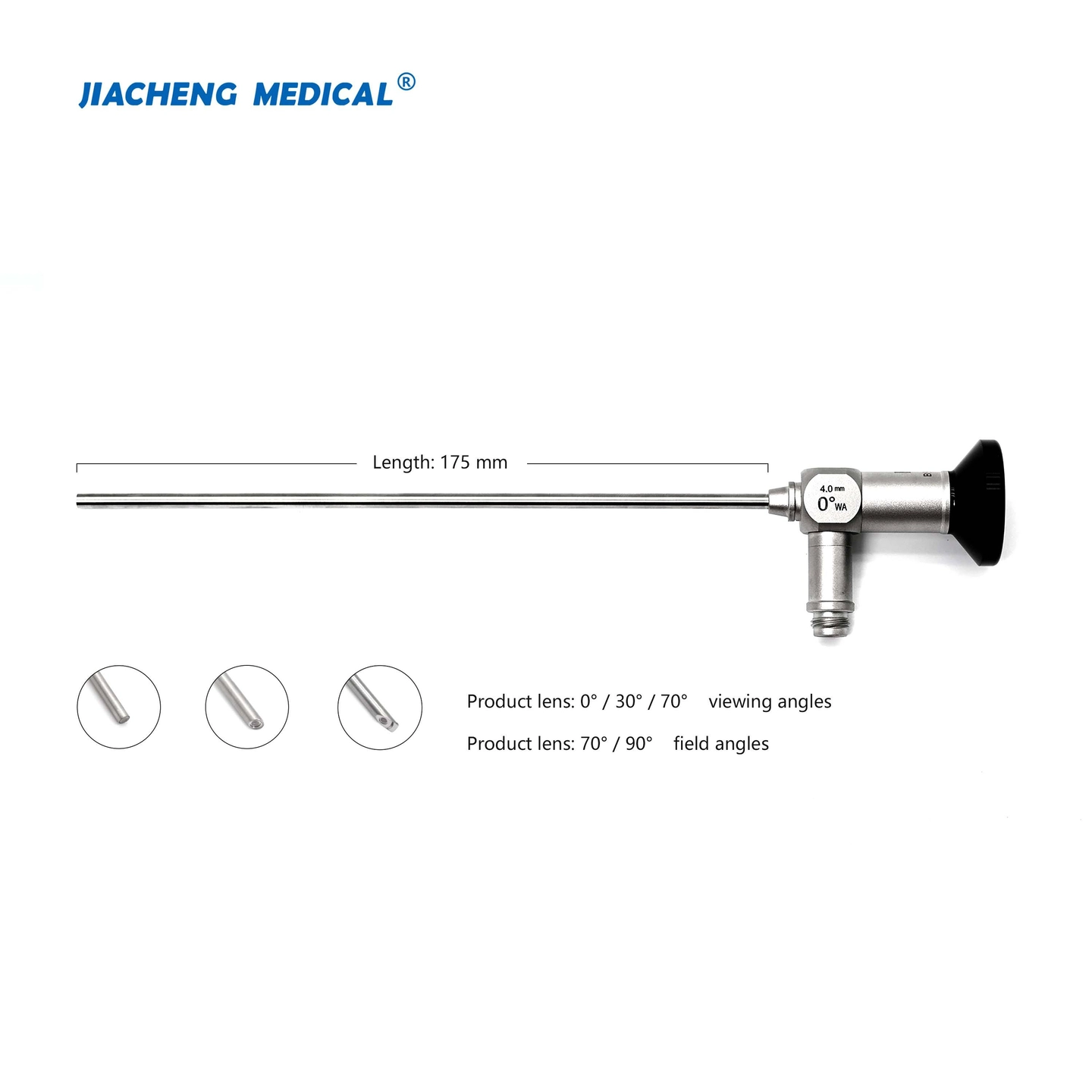



Product Overview
Reusable surgical instruments are precision-engineered medical devices designed to withstand multiple cycles of mechanical cleaning, ultrasonic washing, and high-temperature steam sterilization without losing mechanical function or surface integrity.
Engineered for operating rooms, ambulatory surgery centers, and sterile processing departments (CSSD), these instruments require exact metallurgical control to prevent stress corrosion cracking, joint binding, or tip misalignment over hundreds of clinical uses.
-
![General Surgical Instruments]() General Surgical InstrumentsSurgical contraptions are like the "capable assistants" in the arms of surgeons. They are fundamental equipment for open and minimally invasive surgeries, and every one has a clear "division of labor" to exactly cooperate with docs to...view more
-
![ENT Surgical Instruments]() ENT Surgical InstrumentsENT surgical gadgets are characterised via their subtle but sturdy construction, providing satisfactory recommendations and elongated shafts designed for get entry to and manipulation inside the restricted areas of the nasal cavity,...view more
-
![Gynecological Surgical Instruments]() Gynecological Surgical InstrumentsGynecological surgical units are specifically designed for the woman reproductive system, with the core motive of supporting scientific group of workers in finishing the complete system of examination, prognosis and surgery.view more
-
![Orthopedic Surgical Instruments]() Orthopedic Surgical InstrumentsOrthopedic surgical gadgets are expert equipment designed specially for the manipulation of bones, joints and surrounding smooth tissues. They are normally used for cutting, drilling, shaping, discount and fixation of bones, as properly...view more
-
![Bipolar Resectoscope]() Bipolar ResectoscopeThe Bipolar Resectoscope is a frequent instrument in urological surgery, generally used for methods such as the resection of prostatic hyperplasia or bladder tumors.view more
-
![Plasma Resectoscope]() Plasma ResectoscopeThe Plasma Resectoscope is a surgical instrument that makes use of dynamic plasma slicing technology, specifically for the therapy of benign prostatic hyperplasia (BPH) and bladder tumors. This gadget makes use of everyday saline as the...view more
-
![Resectoscope Loop]() Resectoscope LoopA resectoscope loop is a high-frequency electrosurgical instrument used in minimally invasive surgical approaches to precisely excise pathological tissues while similtaneously achieving hemostasis. It is an electrode designed for...view more
-
![Holmium Laser]() Holmium LaserHolmium laser lithotripsy is a minimally invasive surgical strategy that makes use of yttrium aluminum garnet as the lively medium, producing pulsed laser through Cr:Tm:Ho:YAG laser crystals.view more
-
![Biopsy Forceps]() Biopsy ForcepsA biopsy forceps, moreover referred to as an endoscopic biopsy forceps, is a medical instrument used all through endoscopic examinations to right away contact the mucosa and obtain pathological specimens.view more


Instrument Types
Cutting & Dissecting
Metzenbaum, Mayo, and Iris scissors; scalpels; cartilage knives featuring tungsten carbide (TC) inserts for extended edge retention.
01
Grasping & Holding
Allis, Babcock, and Doyen tissue forceps; tissue holding clamps; anatomical and surgical dissecting forceps.
02
Clamping & Occluding
Crile, Halsted Mosquito, Kelly, and Rochester-Pean hemostatic forceps with secure multi-position box-locks.
03
Suturing & Ligating
Hegar and Mayo-Hegar needle holders featuring gold-plated handles and micro-serrated tungsten carbide jaws.
04
Retracting & Exposing
Senn, Richardson, Langenbeck, and Parker handheld retractors with atraumatic, rounded edges.
05
Technical Specifications
|
Parameter |
Specification Standard |
|
Primary Material |
AISI 410 / AISI 420 Martensitic Stainless Steel; AISI 304 Austenitic Stainless Steel (for handles/tubes); Tungsten Carbide (ISO 4957) for insert tips |
|
Material Hardness |
48-52 HRC (Jaws and working ends); 40-45 HRC (Body and shanks) |
|
Surface Finish |
Satin / Matte finish (Ra < 0.4 um) to reduce surgical glare; mirror polish available upon request |
|
Passivation Standard |
ASTM A967 compliant chemical passivation (free iron removal) |
|
Traceability |
Permanent Laser UID / Data Matrix coding per standardized GS1 and medical device tracking guidelines |
|
Sterilization Compatibility |
Steam Autoclave (134°C, 2.1 bar), ETO, Hydrogen Peroxide Gas Plasma (STERRAD) |

General Surgery: Abdominal wall dissection, organ retraction, vessel ligation, and tissue approximation.
Cardiovascular & Thoracic: Fine tissue handling, delicate vessel clamping, and deep-cavity access.
Orthopedic & Spine: Heavy-duty bone holding, periosteal elevation, and robust soft-tissue manipulation under high mechanical loads.
Micro-surgery & Plastic Surgery: Ultra-fine tip alignment for delicate neurovascular repair and precise skin closure.
Materials & Construction
Metallurgical Integrity
Fabricated exclusively from certified bar stock and forgings. Mill test certificates (MTC) confirm chemical composition limits for carbon, chromium, molybdenum, and nickel.
Box-Lock Mechanics
Precision-milled box joints feature zero lateral play and balanced friction, ensuring smooth multi-click ratcheting and preventing instrument jamming during live procedures.
Tungsten Carbide Integration
Cutting edges and needle holder jaws utilize high-density tungsten carbide inserts laser-welded or silver-brazed to the stainless steel base, increasing wear resistance by up to 5x compared to standard steel.
Cleaning, Disinfection & Sterilization
Pre-Cleaning: Remove gross soil immediately post-op using enzymatic detergents (pH 7.0-8.5). Avoid chloride-containing solutions to prevent pitting corrosion.
Mechanical Processing: Compatible with automated washer-disinfectors utilizing thermal disinfection cycles (90°C for 5 minutes).
Ultrasonic Cleaning: Process instruments in an open position for 10-15 minutes at 40°C-60°C using medical-grade neutral enzymatic detergents.
Autoclaving: Steam sterilization parameters: Pre-vacuum (dynamic air removal) cycle at 134°C for a minimum holding time of 4 minutes, followed by a 30-minute dry phase. Lubricate box-locks and hinges periodically with steam-permeable instrument milk.
Forging & CNC Machining: Drop-forged blanks undergo multi-axis CNC milling and EDM wire-cutting to achieve precise dimensional tolerances within +/- 0.02 mm.
Heat Treatment: Computer-controlled vacuum hardening and tempering furnaces ensure uniform martensitic grain structures, eliminating internal stress points.
Manual Hand-Finishing: Master artisans perform alignment, tension tuning, and micro-serration grinding under 10x optical magnification.
Inspection Protocols:
100% visual and functional inspection for ratchets, locks, and tip closure.
Copper sulfate testing (ASTM A380) for free iron contamination verification.
Salt spray corrosion testing (ASTM B117) conducted on sample batches per production run.

OEM / Customization
Private Labeling
Custom laser etching of company logos, part numbers, and unique UDI barcoding.
Pattern Modification
Alteration of jaw lengths, shank curvatures, or handle configurations based on CAD drawings, technical blueprints, or physical master samples.
Packaging Options
Cleanroom-compliant bulk packaging, individual peel pouches, or customized sterilization tray configurations.
Frequently Asked Questions
We're well-known as one of the leading reusable surgical instruments manufacturers and suppliers in China, specialized in providing high quality customized service to global clients. Please feel free to buy discount reusable surgical instruments from our factory. Contact us for more details.