
Sinuscope Accessories & ENT Endoscope Spare Parts Supplier

Sinuscope Accessories & ENT Endoscope Spare Parts

Factory supply of sinuscope sheaths, bridge adaptors, ENT forceps and light guide cables. Autoclavable parts for rhinology, repair and wholesale orders. Compatible with 2.7mm and 4mm rigid sinuscopes. OEM/ODM available.

A sinuscope is useless without the parts that go with it. Sheaths get bent. Bridges crack. Forceps jaws wear out. Light guide cables fray at the connector end. These things happen in every ENT department, and replacing the whole endoscope set every time a $15 sheath breaks doesn’t make sense.

We make and stock the accessories that keep ENT setups running — sheaths, bridges with stopcocks, sinus punches, micro biopsy forceps, light guide cables, and the small fittings that get lost in sterilization trays. Everything is medical-grade stainless steel where it needs to be, and autoclavable.

If you’re an ENT clinic, a hospital engineering department, or a distributor building out a product line, we can supply what you need. Standard parts ship from stock. Custom sizes take a few weeks.

ENT Endoscope Maintenance
Precision ENT Spare Parts & Maintenance Solutions

What We Stock

Here’s what buyers actually order. Product cards on this page link to individual models; this section explains what each part does so you know what you’re looking at.

[ Sheaths ]
Examination and Working Sheaths

Examination and Working Sheaths

The sheath is the tube that slides over the telescope and goes into the patient’s nose first. It protects the optics and, on working models, gives you a channel for suction, irrigation, or passing instruments.

We make two types:

  • Examination sheaths — simple protective tube, no extra channels. For diagnostic nasal endoscopy.
  • Working sheaths — have one or two side ports for suction/irrigation and an instrument channel. For FESS and operative work.


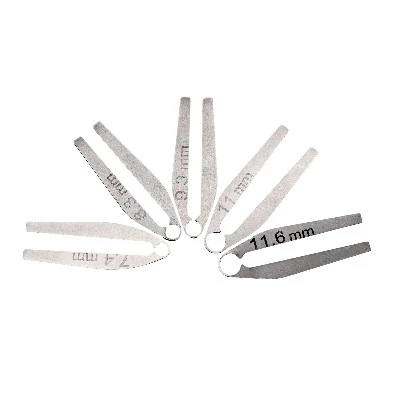
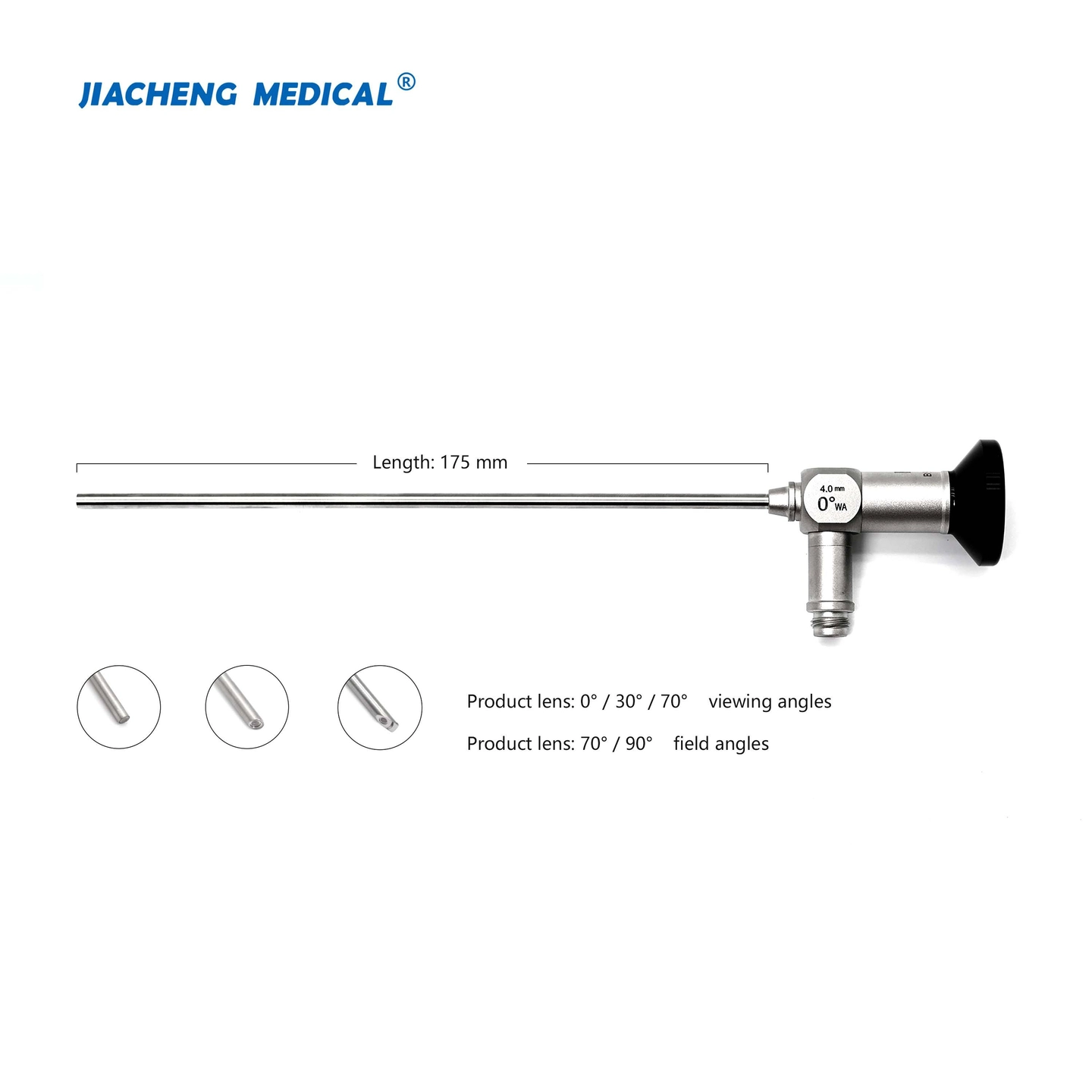
Common sizes: 4mm outer diameter for adult sinuscopes, 2.7mm for pediatric or narrow-cavity work. Lengths vary by telescope working length — usually 100mm to 175mm. If you’re not sure which length fits your scope, measure from the telescope tip to the eyepiece housing, or just send us a photo.

Bridge Adaptors with Stopcock

The bridge is the piece that connects the sheath to the telescope body and holds everything together. A bridge with a rotatable stopcock lets you control irrigation flow or suction without taking your hands off the setup.

Our bridges fit standard Storz-type and Olympus-type locking interfaces. The stopcock rotates 360° so you can position the tubing where it won’t kink during the case. Most customers order these as part of a set with the matching sheath, but we sell them individually too.

[ Bridge Adaptors ]
Bridge Adaptors with Stopcock
[ Forceps & Punches ]
Sinus Punches and Micro Biopsy Forceps

Sinus Punches and Micro Biopsy Forceps

These go through the working channel of the sheath to grab tissue, take biopsies, or remove polyps.

Jaw styles we stock:

  • Up-biting punch — for removing bone or tissue from the sinus floor
  • Through-cutting forceps — clean cut, less crush artifact for pathology
  • Grasping forceps — for foreign body or polyp retrieval
  • Micro biopsy forceps — small jaw, for taking samples through narrow sheaths


Shaft diameters: 2.3mm and 3.0mm are the most common. Working length depends on your sheath — usually 90mm to 120mm. If you need a specific jaw shape we don’t list, send a drawing. We’ve tooled custom jaws for distributors before.

Autoclavable Light Guide Cables

The cable that carries light from the source to the telescope. These fail more often than people expect — the fiber bundle breaks near the connector from repeated bending, or the metal sleeve gets dented in the sterilization tray.

We supply cables in standard lengths: 1.8m, 2.3m, and 3.0m. Connector types: Storz (most common), Wolf, and Olympus. If your light source is an older model, send a photo of the socket — connector designs have changed over the years and “Storz-compatible” doesn’t always mean it fits.

[ Light Guide Cables ]
Autoclavable Light Guide Cables

Who Buys These and Why

Functional Endoscopic Sinus Surgery (FESS)

This is where most of the accessories get consumed. A FESS setup needs a telescope, a working sheath, a bridge with stopcock, and at least two or three different forceps. During a typical case the surgeon might switch between a punch and a grasping forceps three or four times. The bridge stays on; the forceps go in and out.

Hospitals doing regular FESS usually keep two or three complete setups so one can be in sterilization while the other is in the OR. That’s why they buy accessories in sets — not one at a time.

FESS Surgery Setup
ENT Outpatient Clinics

ENT Outpatient Clinics

Diagnostic nasal endoscopy is simpler: telescope, examination sheath, light cable, done. But clinics see a lot of patients, so the sheath and light cable wear out fast. A busy clinic might replace sheaths every six months and light cables once a year.

We sell to a lot of clinic chains that have ten or fifteen locations. They order in bulk to get better pricing and keep a small stock at each site.

Repair Centers and Hospital Engineering

Hospital biomedical engineering teams call us when a bridge cracks, a stopcock leaks, or a forceps jaw won’t close properly. They usually know exactly what they need — part number, dimensions, sometimes a photo of the broken piece. We can match most standard parts from the major brands. For oddball items, we might need a sample to copy.

One repair center in Germany sends us a list every quarter: three bridges, two stopcocks, five light cables, a dozen forceps. We’ve been doing that for four years now.

Repair Centers

What to Check Before You Order

Material: Medical-Grade Stainless Steel

Stainless steel handles repeated autoclave cycles without rusting. Cheaper chrome-plated parts look the same but the plating flakes off after a few months of sterilization. We use 304 or 316 stainless for everything that touches the patient or gets reprocessed. You can tell the difference by weight — our bridges feel heavier than the plated ones.

Stopcock Rotation

A bridge stopcock that doesn’t rotate smoothly is useless. Ours turn 360° with one finger. The O-ring seal is silicone, replaced easily if it hardens over time. We include a spare O-ring with every bridge — most customers don’t notice until they need it.

Fit for 4mm and 2.7mm Scopes

The sheath inner diameter has to match the telescope outer diameter exactly. A 4mm telescope in a 4.2mm sheath wobbles. A 4mm telescope in a 3.9mm sheath jams. We machine to ±0.05mm tolerance, which is tight enough for clinical use without being so tight that assembly is difficult. Viewing angle matters too. A 0° telescope sits differently in the sheath than a 70° telescope because the light post position changes. Our sheaths are marked for angle compatibility — check the product code before ordering.

Autoclave Durability

Everything in this category is rated for at least 500 autoclave cycles. In practice, most parts last longer if they’re not dropped or bent. The first thing to fail is usually the stopcock O-ring (easy fix) or the light cable fiber bundle (replace the cable).

Will These Fit What You Already Have?

Most buyers aren’t starting from zero. They have a telescope, a light source, and a few accessories that work, and they need to replace the one piece that broke.

The problem is that “Storz-compatible” or “Olympus-type” covers a lot of ground. Designs changed over the years, and some older scopes have slightly different locking tabs or diameters.

Here’s what helps us match your part:

  • Telescope model number (if you have it)
  • A clear photo of the connection point
  • Key dimensions: outer diameter, working length, and the distance between locking pins if there are any


If you send a photo, we can usually tell within a day whether we have a direct replacement or if we need to make a custom part. For custom work, we need the broken sample or a detailed drawing. Lead time is typically three to four weeks.

How We Make These


ISO 13485 & Shop Floor Standards

Our factory is ISO 13485 certified. That means documented processes, traceable materials, and regular audits — the standard stuff. But the part that actually matters is what happens on the shop floor. Every sheath gets a go/no-go gauge check after machining. Every bridge gets a stopcock rotation test and a leak test at 2 bar. Every light cable gets a light transmission reading — we measure lumens at the distal end and reject anything below 85% of nominal.

CE Documentation & Compliance

CE documentation is available for applicable products. If you’re registering these in your country and need specific test reports (biocompatibility, sterilization validation, etc.), tell us when you order. Some reports take a week to pull together.

Custom Work

We do OEM for distributors who want their own brand on standard parts, and ODM for customers who need something that doesn’t exist off the shelf.

OEM examples:

  • Laser-etched logo on forceps handles
  • Custom color anodizing on aluminum bridge components
  • Branded packaging and instruction manuals
  • Minimum order: usually 100–200 units per SKU

ODM examples:

  • Non-standard sheath length (we’ve made 85mm and 210mm sheaths for specific telescope models)
  • Custom forceps jaw geometry (one customer needed a 45° angled up-biting punch for a particular approach angle)
  • Modified bridge with extra irrigation port
  • Minimum order: 500 units for new tooling, or 200 units if we can modify an existing mold

The fastest way to start a custom project is to send a sample, a drawing, or clear photos with dimensions marked. Phone calls and vague descriptions slow everything down. We’ve learned that the hard way.

Frequently Asked Questions

Q: What sinuscope accessories do you actually keep in stock?
A: Sheaths, bridges with stopcocks, sinus punches, micro biopsy forceps, and light guide cables. We carry the common sizes for 4mm and 2.7mm scopes. Less common sizes or custom dimensions are made to order.
Q: Will your sheaths fit my Storz sinuscope?
A: Probably, but we need to check. Storz has made a lot of models over the years and the locking interface isn’t identical across all of them. Send us your telescope model number or a photo of the connection end, and we’ll confirm before you order.
Q: Do you have parts for 2.7mm pediatric scopes?
A: Yes. We stock 2.7mm examination sheaths and matching bridges. Forceps for 2.7mm setups have a 2.0mm or 2.3mm shaft. If your scope is a specific pediatric model (like a Hopkins 2.7mm), let us know — the working length might be shorter than the adult version.
Q: Can I get a custom sheath length?
A: Yes, if the quantity justifies the tooling. For standard lengths (100mm, 130mm, 175mm), no minimum. For custom lengths, we usually need 200 pieces to set up the cutting fixture. Send us the target length and we’ll quote it.
Q: Are these parts autoclavable?
A: Yes. Stainless steel components and silicone O-rings handle autoclave cycles fine. Light guide cables can also be autoclaved, though the fiber bundle will eventually degrade from heat — that’s normal and expected. Most cables last 1–2 years in daily use.
Q: Can I order in bulk for my distribution business?
A: Yes, that’s most of what we do. We ship to distributors in Europe, the Middle East, Southeast Asia, and Latin America. Bulk pricing kicks in at 100 units for most items, with better rates at 500 and 1,000. We can also split shipments if you need them sent to multiple warehouses.
Q: What’s your warranty?
A: 12 months on manufacturing defects. If a bridge cracks at the weld, a stopcock leaks out of the box, or a forceps jaw won’t close properly, we replace it. Normal wear and tear — bent shafts, worn forceps edges, frayed light cables — isn’t covered, but we sell replacement parts at cost for warranty-period repairs.
Q: How do I know if a light guide cable will fit my light source?
A: Connector type is the main thing. Storz, Wolf, and Olympus are the three standards. If your light source is more than ten years old, send a photo of the socket — some older models have a slightly different pin layout. We have adapters for most combinations.
Q: Do you sell complete FESS instrument sets?
A: We can put together a set: telescope + sheath + bridge + forceps + light cable. We don’t manufacture the telescopes ourselves, but we work with a partner factory that does. If you want a complete set under one brand, we can coordinate that.

Get Pricing

Need sinuscope accessories for a current system, a repair job, or regular wholesale supply? Send us the part name, your telescope size, and how many you need. If fit is a concern, include the telescope model or a photo of the connection point. We’ll come back with options, specs, and pricing within one business day.

Request Technical Specifications Get Wholesale Quote

Zhejiang Jiacheng Medical Instrument Co., Ltd. is well-known as one of the leading sinuscope accessories manufacturers and suppliers in China, specialized in providing high quality customized service to global clients. Please feel free to buy discount sinuscope accessories from our factory. Contact us for more details.
Send Inquiry