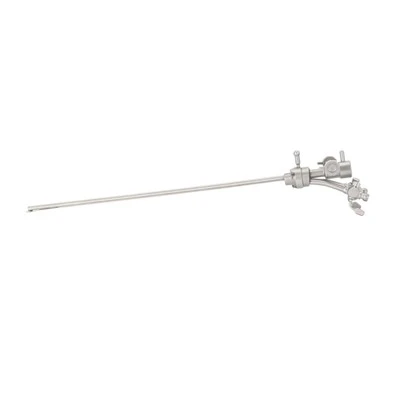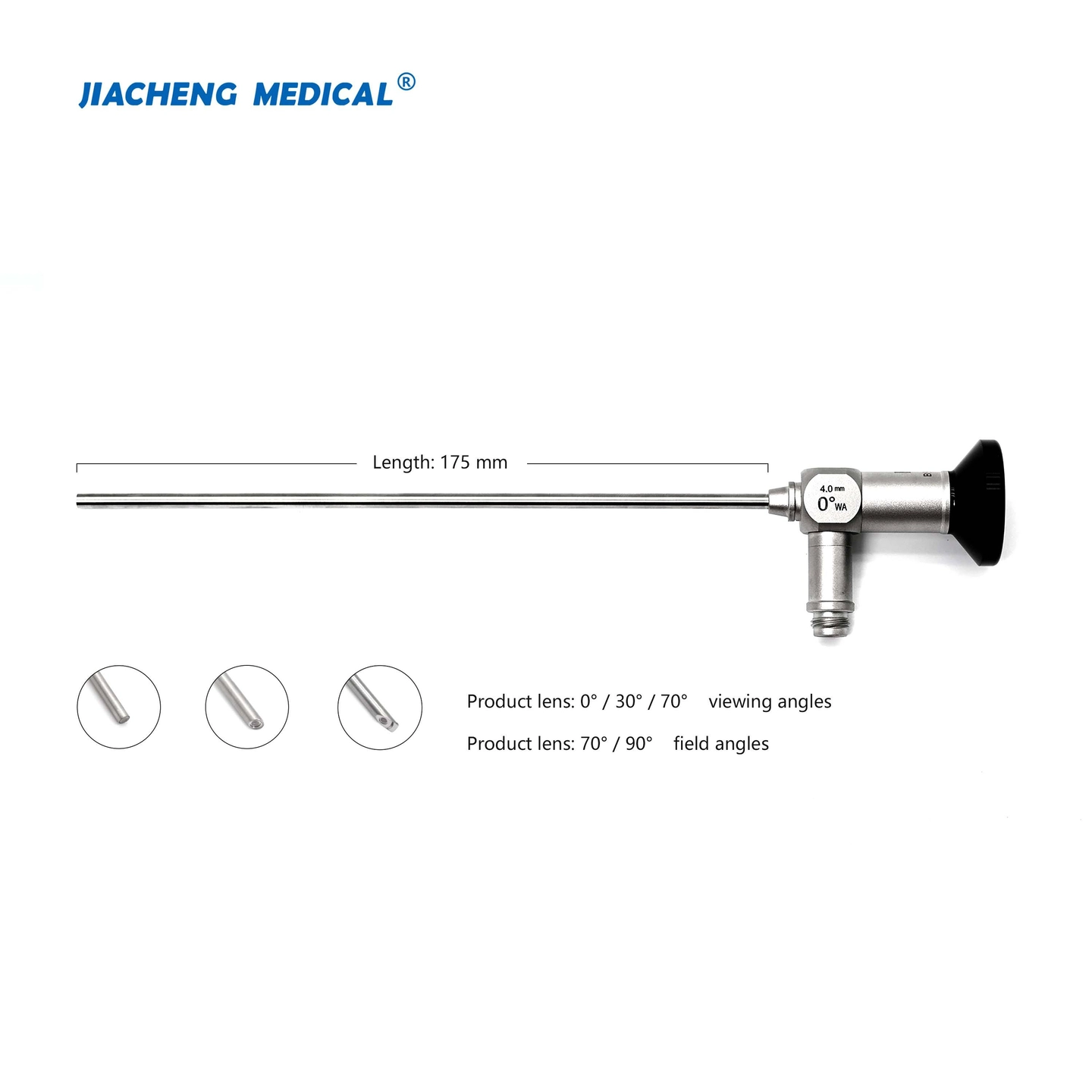



Sterilization Containers & Trays – Jiacheng Medical
Sterilization Containers & Trays for Medical Instruments
Wholesale aluminum and stainless steel sterilization containers for surgical instruments and endoscopes. Custom sizes for steam autoclave and plasma sterilization. Silicone inserts and fixation systems available.
Surgical instruments and rigid endoscopes get damaged in sterilization. Not from the autoclave itself – from bouncing around in a metal tray with no padding, or from getting stacked under heavier sets. A $3,000 laparoscope with a scratched front lens because it rattled against a clamp in the tray is an expensive mistake.
We make containers and trays that actually protect what's inside. Aluminum boxes with silicone inserts that hold instruments in place. Perforated trays that let steam or plasma circulate properly. Locking lids so the set stays together during transport from CSSD to OR and back.
If you're a hospital CSSD manager, a surgical instrument distributor, or an endoscope repair shop that needs safe transport boxes, we can supply what you need. Standard sizes ship from stock. Custom layouts take 3–4 weeks.

-
![Aluminum Alloy Sterilization Container]() Aluminum Alloy Sterilization ContainerThis product is in particular designed for disinfection, sterilization, storage and transportation of clinical devices, appropriate for clinical institutions, scientific lookup laboratories and other locations with strict necessities...view more
-
![Stainless Steel Sterilization Basket]() Stainless Steel Sterilization BasketThe Stainless steel sterilization basket is well matched with a range of mainstream sterilization methods, prevents cross-contamination, and protects contraptions from collision and damage. Made of amazing 304 stainless steel, it facets...view more
-
![PPSU Sterilization Container]() PPSU Sterilization ContainerA realistic PPSU Sterilization Container designed particularly for hospitals and outpatient surgical centers. It replaces regular containers, balancing comfort and safety, serving as a dependable assistant for scientific workforce in...view more
-
![Silicone Sterilization Container]() Silicone Sterilization ContainerSilicone sterilization container is a reusable sterilization container specifically designed for endoscopes (sinusoscopes, otoscopes, laparoscopes, gastrointestinal endoscopes, etc.) and a number of precision surgical instruments. It is...view more
-
![Perforated Stainless Steel Sterilization Container]() Perforated Stainless Steel Sterilization ContainerThe important physique is made of medical-grade stainless steel, and the optical window makes use of scientific sapphire glass, presenting top notch corrosion resistance, have an impact on resistance, bending resistance, and optical...view more


What We Make
Aluminum Endoscope Sterilization Container
A rigid aluminum box with a hinged lid and locking clasp. Inside, silicone holders keep endoscopes from touching each other or the metal walls. We make these for single-scope storage (one telescope, one light cable, one sheath) and multi-scope sets (3–5 scopes plus accessories).
Standard sizes:
- Single scope: 350mm × 80mm × 60mm (fits one 4mm laparoscope with cable)
- Double scope: 400mm × 150mm × 80mm (fits two scopes or one scope plus instruments)
- Multi-scope: 500mm × 300mm × 120mm (fits a complete FESS or laparoscopy set)
The aluminum is anodized, not painted. Paint flakes off in the autoclave and contaminates the load. Anodizing is part of the metal surface – it doesn't peel, chip, or release particles. We've tested our boxes through 1,000 autoclave cycles and the anodizing held up fine.

Perforated Surgical Instrument Sterilization Tray
A stainless steel tray with perforated bottom and sides. The holes are sized for steam penetration – too small and steam doesn't circulate; too big and small instruments fall through. We use 2.5mm holes on a 5mm grid for standard trays, and 1.5mm holes for trays that hold small items like needle holders and clips.
Trays stack when empty and nest when full. The rim is reinforced so they don't warp after repeated heating and cooling.
Silicone Mat & Fixation Clamps
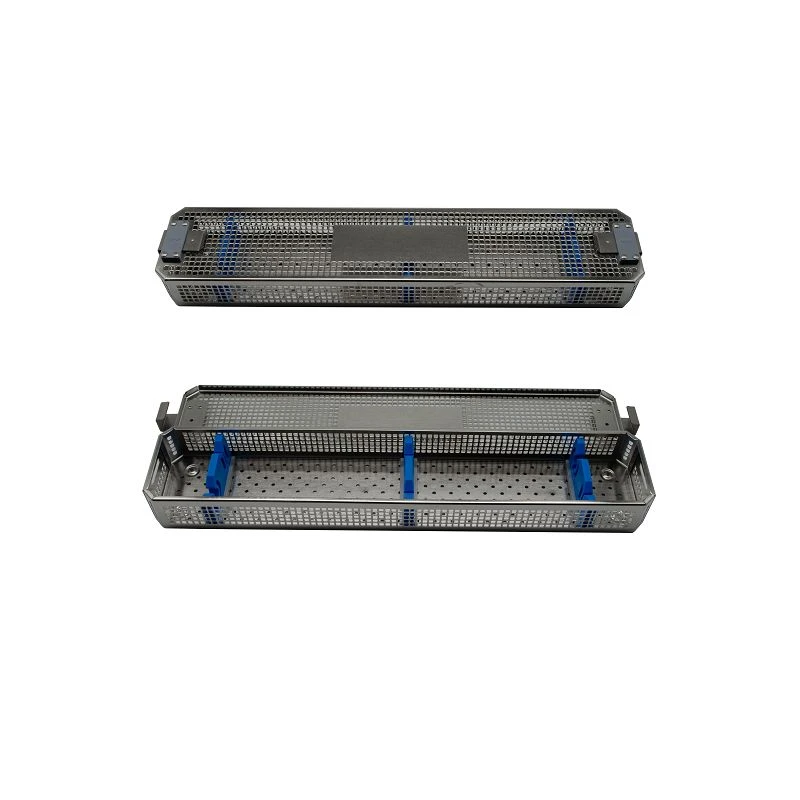
Silicone inserts are what actually hold the instruments. We cut them from medical-grade silicone sheet (Shore A 40–50 hardness) in two ways:
- Slot mats – instruments slide into pre-cut slots. Good for standard sets where the instrument layout doesn't change.
- Peg mats with clamps – adjustable pegs and silicone bands hold instruments of varying sizes. Better for mixed sets or when you add new instruments.
The silicone is autoclavable to 134°C and doesn't harden or crack like the cheap PVC stuff some suppliers use. One customer in Brazil told us their old PVC inserts turned brittle after six months and started shedding particles. Our silicone mats are still flexible after three years.

Sterilization Basket with Safety Lock & Filter
A wire-mesh basket with a hinged lid and a locking pin. The mesh is stainless steel, welded at the joints. The lid has a replaceable filter – paper for single use, or a reusable polymer filter that gets washed and autoclaved with the basket.
The filter is the part that gets replaced most often. We stock replacement filters in packs of 50. The locking pin is stainless steel with a plastic grip – it won't rust and it's easy to open with gloved hands.

Who Buys These and Why
Central Sterile Supply Departments (CSSD)
CSSD is where containers live most of the time. Instruments come back from surgery dirty, get cleaned, go into the container, get sterilized, and sit on a shelf until the next case. The container has to survive this cycle hundreds of times per year.
What CSSD managers care about:
- Stackability – shelves are limited. Containers that stack 4 high save space.
- Labeling – each container needs to show what's inside, when it was sterilized, and when it expires. We offer laser-etched ID plates and adhesive label holders.
- Filter replacement – paper filters are cheap but create waste. Reusable filters cost more upfront but save money long-term. Most CSSDs we supply use a mix: paper for high-turnover sets, reusable for specialized sets that don't get opened often.
We offer color anodizing for aluminum containers – different colors for different departments, without the wear issues of paint or stickers.
Operating Rooms
OR nurses need to grab the right set fast. A container with a clear lid or a photo label on top means they don't have to open three boxes to find the laparoscopy set. We make containers with polycarbonate lids – you can see what's inside without breaking the sterile barrier.
OR teams also care about weight. A full stainless steel tray with instruments can weigh 8–10 kg. Aluminum containers cut that to 4–5 kg. When a nurse is carrying six sets from CSSD to OR, that difference matters.
Endoscopy Repair Shops
Repair shops use our containers for shipping scopes back to customers. A repaired endoscope in a padded aluminum box arrives intact. A repaired endoscope in a cardboard box with bubble wrap sometimes doesn't. We've had repair shops tell us their return-damage rate dropped to near zero after switching to rigid containers.
For repair transport, we make a "scope-only" container: 300mm × 60mm × 50mm, with a silicone cradle that holds one telescope and one light cable. No extra space for things to rattle around.
What Actually Matters
Anodized Aluminum, Not Painted
Painted aluminum looks good in the catalog. In the autoclave, it doesn't. The heat and pressure cause paint to bubble and flake. Those flakes end up on instruments, in wounds, and in your QA reports. We anodize every aluminum container. It's more expensive to do, but it lasts.
Filter System That Works
The filter keeps the container sterile after autoclaving. If the filter tears or doesn't seal, the load is compromised. Our filter frames are machined aluminum with a silicone gasket that compresses against the container rim. The seal holds at 2 bar pressure differential – more than an autoclave generates.
Paper filters: 0.2 micron rating, single use, pack of 50. Reusable filters: polymer mesh, 0.5 micron, rated for 200 autoclave cycles. We recommend replacing them at 150 cycles to be safe.
Silicone That Doesn't Harden
Medical-grade silicone (Shore A 40–50) stays flexible through repeated heat cycles. Cheap silicone or PVC hardens after 6–12 months and starts cracking. Cracked inserts don't hold instruments properly, and the fragments can contaminate the sterile field.
We had a customer in Turkey who bought cheap silicone inserts from another supplier. After eight months, the inserts were crumbling. They replaced the whole lot with our mats and haven't had an issue in two years.
Internal Layout That Fits Your Set
A container is only as good as what fits inside it. We offer three layout options:
- Standard slot layout – pre-cut slots for common instrument sets (laparoscopy, arthroscopy, ENT). Order by set name, we know the layout.
- Custom cut layout – send us your instrument list with dimensions, we design the mat. One-time tooling fee, then standard pricing.
- Adjustable peg layout – pegs and bands that you reposition as needed. No tooling, but instruments can shift if the pegs aren't tightened.
Most customers start with standard layouts and move to custom once they know what works.
Certifications & Testing
-

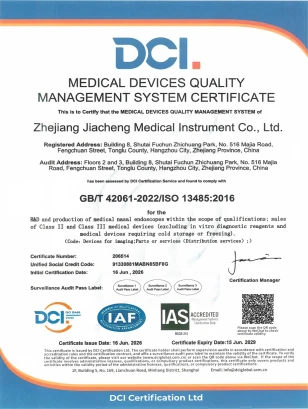

- ISO 13485 – Medical device quality management. Covers design, production, and post-market surveillance.
- CE Marked – For applicable products, compliant with EU MDR.
- ISO 11607 – Sterilization packaging requirements. Our containers with filter systems meet the barrier performance criteria for terminally sterilized medical devices.
Testing we do:
- Autoclave cycle testing – 1,000 cycles at 134°C, 2 bar. Check for discoloration, warping, seal integrity, and silicone degradation.
- Drop testing – Full container dropped from 1 meter onto concrete. No instrument damage, no lid opening, no filter breach.
- Stack load testing – Four full containers stacked for 24 hours. Bottom container shows no deformation.
We keep test reports on file. If your QA department needs them for vendor qualification, we can send copies.
What to Tell Us


Before you order, have these details ready:
- What goes inside? – Instrument list with dimensions, or just the set name (laparoscopy, arthroscopy, etc.).
- Sterilization method – Steam autoclave (121°C or 134°C), plasma (low-temperature hydrogen peroxide), or both? Plasma requires different filter materials.
- How many sets do you sterilize per day? – This affects whether you need 5 containers or 50.
- Stacking height limit – Your CSSD shelf height determines how high we can make the container.
- Labeling requirements – Color coding, photo labels, barcode holders, RFID pockets?
- Budget – Aluminum with silicone inserts costs more than wire baskets. If budget is tight, we can suggest a phased approach: start with baskets for high-turnover sets and containers for expensive endoscopes.
Questions We Get
Q: Can you make a custom container for my specific instrument set?
A: Yes. Send us the instrument list with dimensions, or mail us the actual set. We design the internal layout, cut the silicone mat, and send you a prototype to test. Once you approve, we go to production. Typical lead time: 3–4 weeks for custom layouts.
Q: Do these work with plasma sterilization?
A: Yes, but you need the right filter. Steam autoclave filters are paper or polymer mesh. Plasma sterilization uses a different filter material (hydrophobic PTFE) because hydrogen peroxide plasma requires gas permeability that standard filters don't provide. Tell us your sterilizer model when you order and we'll match the filter.
Q: Aluminum or stainless steel – which should I choose?
A: Aluminum if weight matters (OR transport, large sets). Stainless steel if you need maximum durability (heavy instrument sets, frequent dropping). Aluminum is about 1/3 the weight of steel. Stainless steel lasts longer but costs more and is harder on your CSSD staff's backs.
Q: What's the minimum order?
A: Standard containers: 10 pieces. Custom containers: 50 pieces for the first order (covers tooling), then 25 pieces for reorders. Repair shops and small clinics can buy single units through our distributor network.
Q: How long do the silicone inserts last?
A: Medical-grade silicone handles 500+ autoclave cycles without hardening. In practice, most inserts last 2–3 years in a busy CSSD. The first sign of wear is when instruments start sliding in the slots – that's when you replace the mat, not the whole container.
Q: Can I get my logo on the containers?
A: Yes. Laser etching on aluminum, screen printing on stainless steel, or adhesive nameplates. Laser etching is permanent – it won't wear off like printing. We need your logo in vector format (AI or EPS). Minimum order for custom branding: 50 units.
Q: Do you sell replacement parts separately?
A: Yes. Filters, silicone mats, locking pins, and lid gaskets are all available as spares. Most customers order a 6-month supply of filters with their initial container order.
Q: What if a container arrives damaged?
A: We pack in corrugated boxes with foam corners. Damage in transit is rare but happens. Take photos of the packaging and the damaged container, send them to us within 48 hours, and we replace it. No arguments.
Get a Quote
Need sterilization containers for endoscopes, surgical instruments, or instrument sets? Send us your instrument list, dimensions, or just tell us what the set is for. We'll recommend a container size, layout, and filter type, and send pricing within one business day.
We're well-known as one of the leading container for sterilizing medical equipment manufacturers and suppliers in China, specialized in providing high quality customized service to global clients. Please feel free to buy discount container for sterilizing medical equipment from our factory. Contact us for more details.