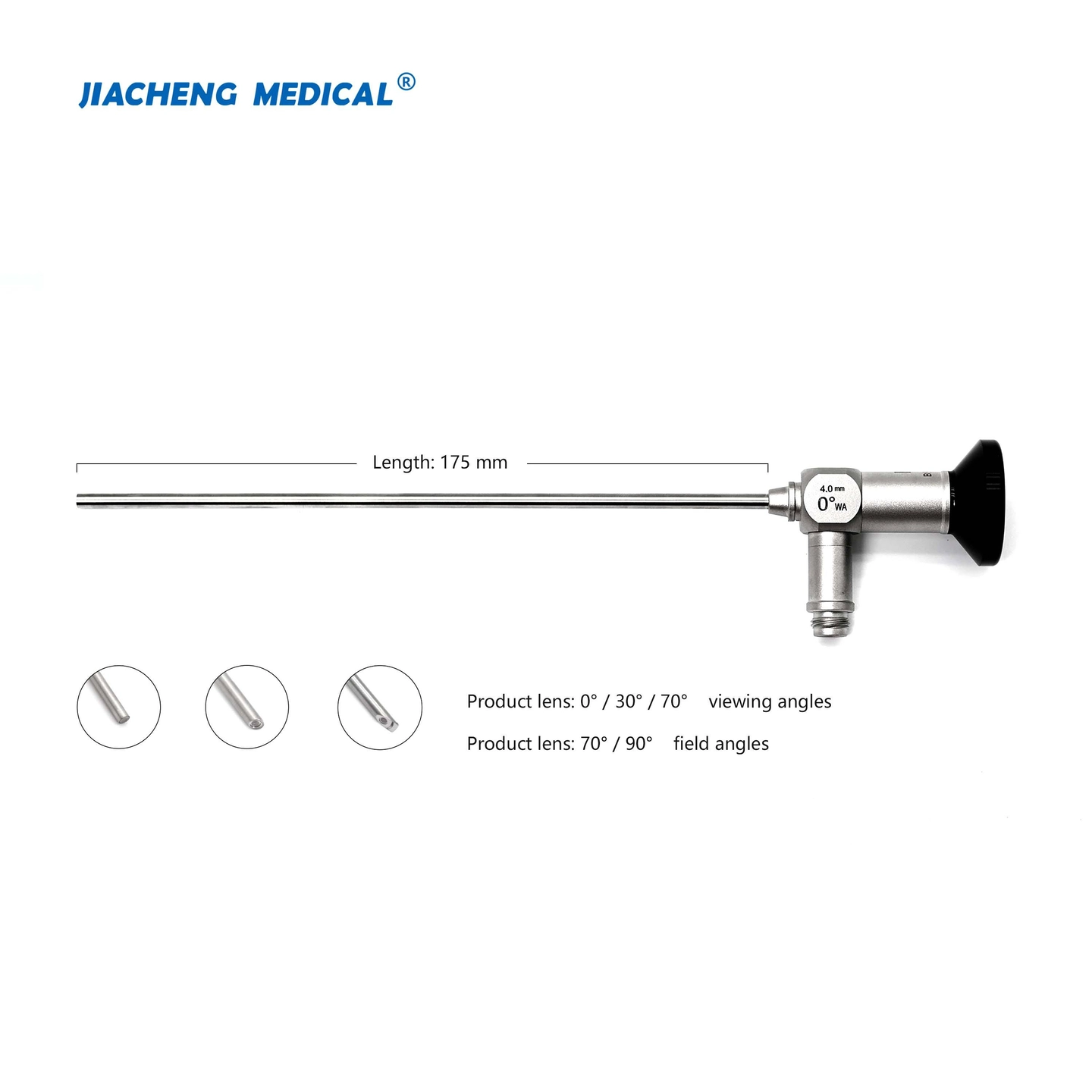


What Are Disposable Laparoscopic Surgical Instruments?
Disposable laparoscopic surgical instruments are single-use, specialized tools designed exclusively for minimally invasive laparoscopic surgery. Unlike reusable instruments, they are used once and then safely discarded - eliminating the risks associated with repeated sterilization cycles and instrument degradation.
As laparoscopic procedures become the gold standard across general surgery, gynecology, and urology, the demand for high-performance single-use laparoscopic instruments continues to grow. Hospitals and surgical centers worldwide are adopting disposable options to enhance safety, compliance, and procedural outcomes.
Key Advantages of Disposable Laparoscopic Surgical Instruments
1.Complete Elimination of Cross-Infection Risk
One of the most critical benefits of single-use laparoscopic instruments is zero cross-contamination risk. Reusable instruments can harbor residual biological material even after sterilization - a serious concern in high-aseptic environments like laparoscopic surgery.
Disposable instruments bypass this risk entirely, making them the preferred choice for:
- Immunocompromised patients
- Procedures with heightened infection sensitivity
- Facilities aiming to meet strict hospital-acquired infection (HAI) prevention standards
2.Consistent, Reliable Instrument Performance
Reusable instruments degrade over time. Repeated sterilization cycles cause wear, aging, and performance inconsistency - affecting the precision of cutting, suturing, and electrocoagulation functions.
Disposable laparoscopic instruments deliver peak performance every single time, ensuring:
- Optimal cutting sharpness from first use
- Reliable electrocoagulation output
- Consistent suturing tension and tissue handling
This is especially important for complex laparoscopic procedures where instrument failure can directly impact patient outcomes.
3.Compliance with International Surgical Guidelines
Disposable laparoscopic staplers are engineered to meet internationally recognized suturing standards. Key specifications include:
- Standard 1 cm margins for precise tissue approximation
- 180° suturing capability for complete port-site closure
- Simultaneous closure of fascia, muscle, and peritoneum layers
These features directly improve trocar site closure quality and significantly reduce postoperative complications such as port-site hernias - a growing concern as minimally invasive surgery expands to higher-risk patient populations.
4.Enhanced Surgical Efficiency and Reduced Operative Time
Many modern disposable laparoscopic instruments integrate multiple functions into a single device, reducing the need for instrument exchanges during surgery.
Benefits for surgical teams include:
- Fewer instrument handoffs between scrub technician and surgeon
- Shorter overall operative time
- Reduced risk of instrument-related delays or errors mid-procedure
For high-volume surgical centers, this efficiency translates directly into improved OR throughput and better resource utilization.
5. Ergonomic Design That Reduces Surgeon Fatigue
Surgeon fatigue is a recognized factor in procedural errors and musculoskeletal injury. Leading manufacturers of disposable laparoscopic instruments invest heavily in ergonomic handle design to:
- Reduce grip force required during prolonged procedures
- Minimize repetitive strain on the hand and wrist
- Improve tactile feedback and instrument control
Surgeons performing multiple cases per day benefit significantly from instruments designed with biomechanical principles in mind.
6. Designed for Advanced and Complex Laparoscopic Techniques
Single-use laparoscopic instruments are increasingly engineered to support the most demanding minimally invasive techniques, including:
- Single-port laparoscopic surgery (SILS)
- Reduced-port procedures
- Bariatric, colorectal, and gynecologic laparoscopy
Multi-jointed flexible staplers, for example, can precisely maneuver and suture in confined anatomical spaces where rigid instruments cannot reach - expanding the feasibility of advanced laparoscopic approaches for surgeons worldwide.
Why Surgeons and Hospitals Are Choosing Disposable Laparoscopic Instruments
The shift toward single-use laparoscopic instruments reflects a broader transformation in surgical practice - one driven by patient safety, regulatory compliance, and clinical performance.
Key reasons for adoption include:
| Factor | Disposable Instruments | Reusable Instruments |
|---|---|---|
| Infection risk | Eliminated | Residual risk |
| Performance consistency | Always optimal | Degrades over time |
| Sterilization cost | None | Ongoing |
| Compliance | Meets latest guidelines | Varies |
| Ergonomic innovation | Latest designs | Fixed at manufacture |
Frequently Asked Questions About Disposable Laparoscopic Surgical Instruments
- Are disposable laparoscopic instruments more expensive than reusable ones? While the per-unit cost is higher, total cost of ownership often favors disposable instruments when sterilization labor, equipment maintenance, and infection-related liability are factored in.
- What types of laparoscopic surgeries use disposable instruments? Disposable instruments are used across general surgery, gynecology, urology, bariatric surgery, and colorectal procedures - essentially any minimally invasive laparoscopic technique.
- Do disposable laparoscopic instruments meet regulatory standards? Yes. Leading disposable instruments are FDA-cleared and CE-marked, and are designed to meet international surgical guidelines including SAGES and EAES recommendations.
Conclusion: The Future of Laparoscopic Surgery Is Single-Use
Disposable laparoscopic surgical instruments represent a significant advancement in minimally invasive surgical care. By eliminating cross-infection risk, guaranteeing consistent performance, supporting complex techniques, and reducing surgeon fatigue, they set a new standard for surgical safety and efficiency.
As the global laparoscopic instruments market continues to grow, single-use instruments will play an increasingly central role in delivering better outcomes for patients and more reliable tools for the surgeons who care for them.
Looking for high-quality disposable laparoscopic surgical instruments? [Contact us ]