

Digestive Endoscopes: Including gastroscopes and colonoscopes, these utilize a flexible, long-tube structure with a diameter of 8-12mm. Gastroscopes are approximately 100-140cm long, and colonoscopes are approximately 160-180cm long. The tip is equipped with a 360° adjustable bend to adapt to the curves of the digestive tract, and integrates a biopsy channel (2-3mm in diameter) and a flushing/air supply channel.
Breath Endoscopes: Such as bronchoscopes, these employ a thin, flexible structure with a diameter of 4-6mm and a length of approximately 60-70cm. The bend is more flexible, allowing access to the tertiary bronchi, and the lens has enhanced anti-fogging properties.
Urological Endoscopes: Such as cystoscopes and ureteroscopes, these come in rigid and flexible types. Rigid cystoscopes have a metal tubular structure (10-12mm in diameter), while flexible ureteroscopes have a thin, flexible tube (2-3mm in diameter) and are equipped with a laser channel for lithotripsy.
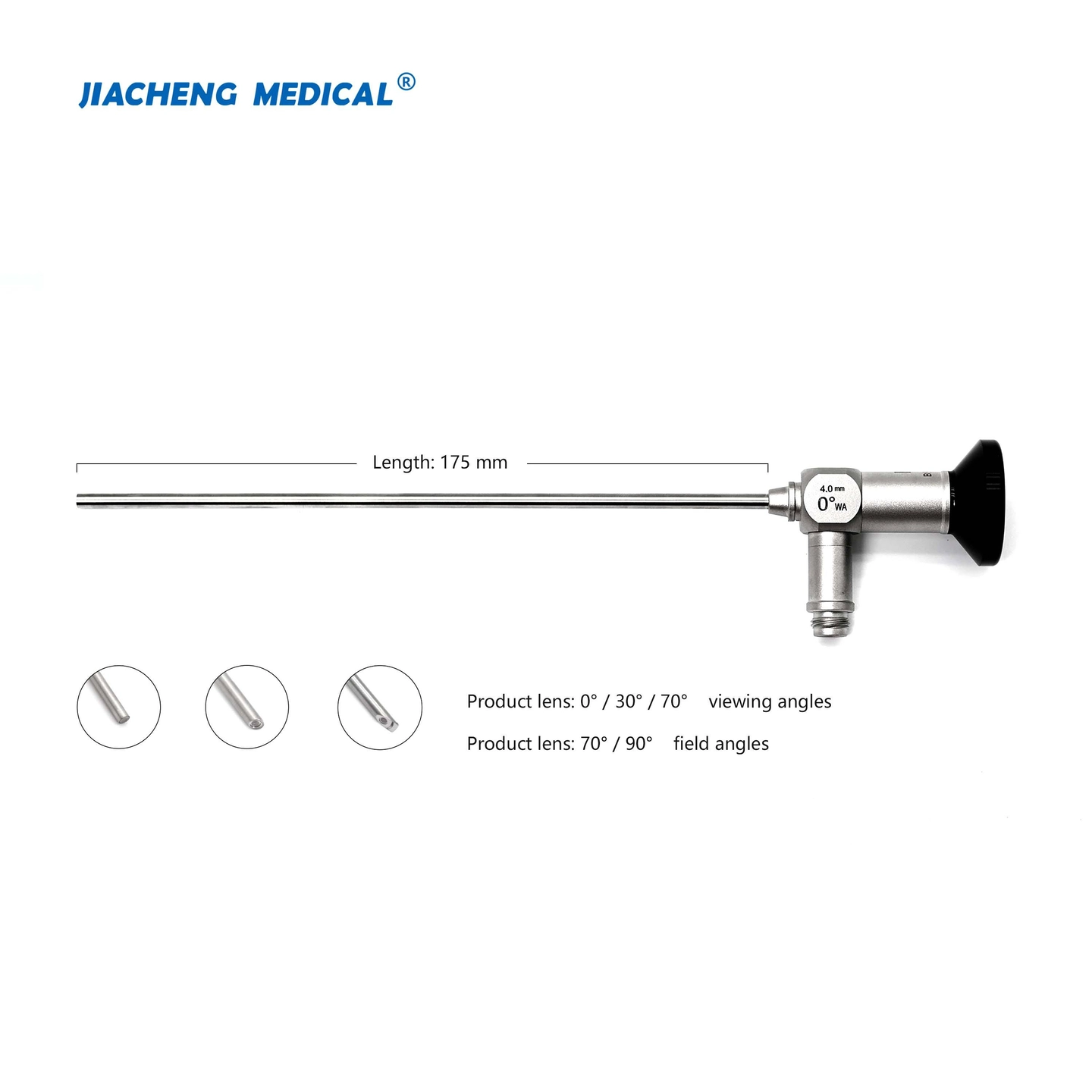
Arthroscopy: Such as knee arthroscopy, it is a rigid, short tube structure, 4-5mm in diameter and approximately 30-40cm in length. The lens has a wide-angle design and requires an irrigation channel to inject saline solution to dilate the joint cavity.
Laparoscopy: It is a rigid, long tube structure, 5-10mm in diameter and 30-40cm in length. The lens has a 0/30/45° field of view and needs to be inserted through a small abdominal incision. It is used in conjunction with other surgical instrument channels.