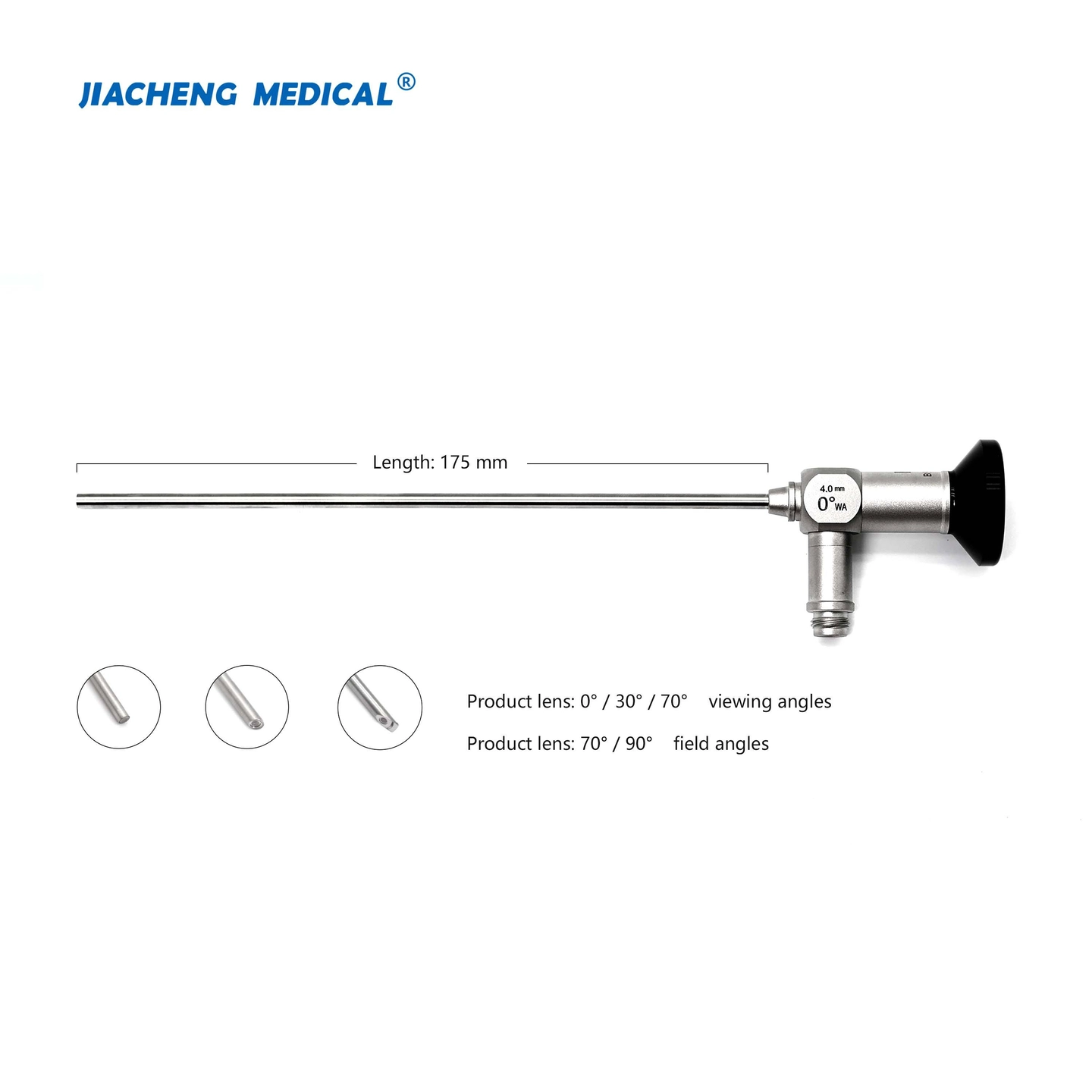


Endoscopes are essential tools used in medical examinations and treatments, a name that evokes both curiosity and apprehension in many. In reality, they act as "X-ray vision" for doctors, helping them to "see" the inside of the body. They are widely applicable and highly safe.
An endoscope is a flexible or rigid tubular instrument equipped with a miniature camera, light source, and operating channel. It can be inserted into the body through natural cavities (such as the mouth, nose, and urethra) or tiny incisions to directly observe the internal structure of organs.
Common types of endoscopes and their applicable sites: Gastroscopy is used to examine the esophagus, stomach, and duodenum; colonoscopy examines the large intestine and part of the small intestine; bronchoscopy examines the airways and lungs; cystoscopy observes the inside of the bladder; arthroscopy is used to examine joints such as the knee and shoulder.
The core functions of endoscopes are: first, diagnosis, allowing direct observation of lesions and the ability to obtain tissue samples for pathological examination to determine the nature of the lesion (such as inflammation, polyps, tumors, etc.); and second, treatment, enabling minimally invasive surgeries such as polyp removal, hemostasis, and stent placement.
Compared to traditional open surgery, endoscopy is less invasive, less painful, and has a faster recovery. It can more accurately locate lesions and reduce the possibility of misdiagnosis and missed diagnosis, making it the preferred examination method for many digestive and respiratory diseases.