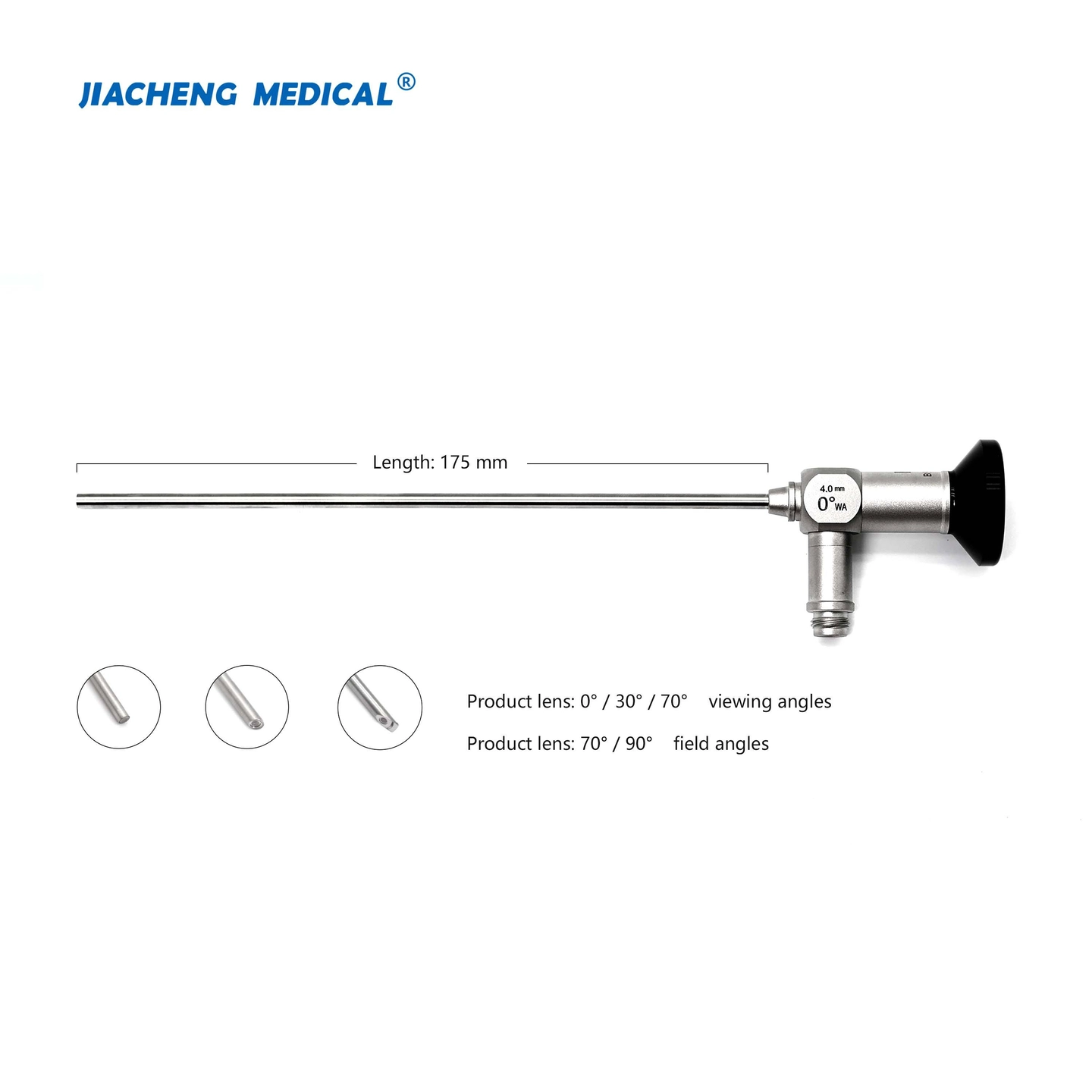


Endoscopy has consistently propelled the development of medicine throughout history. With the continued advancements in electronic and other scientific technologies, its application is poised for even broader and deeper development. It will not only be able to perform any task currently available, but will also utilize specialized CCDs with unique spectra to provide new diagnostic images, employ image processing techniques to obtain specific images of diseased tissues, and use image analysis to achieve quantitative analysis and diagnosis of lesions. Furthermore, it will facilitate remote consultations via telecommunications. Multifunctional electronic endoscopes have already been developed, capable of obtaining morphological diagnostic information of tissues and organs, as well as measuring various physiological functions. Medical endoscopy technology has demonstrated its robust vitality to date, and we believe it will make even greater contributions in the future.
Endoscopic technology, hailed as the "third eye" of modern medicine, is gradually transforming traditional diagnostic and treatment methods thanks to its unique advantages. Through natural body cavities or tiny incisions, endoscopes can penetrate deep into the body, providing doctors with a real-time, high-definition visual diagnostic experience. After undergoing multiple technological innovations, including rigid tube, fiber optic, and electronic types, endoscopes have now entered a new stage of intelligence, miniaturization, and multimodal integration. Next, we will conduct an in-depth analysis of this revolutionary technology from multiple perspectives, including its technical principles, core components, and latest developments.