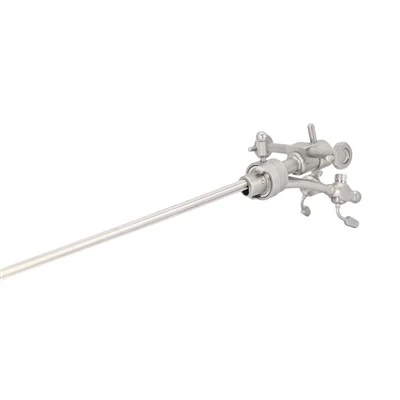



Rigid endoscopes serve as core optical instruments for minimally invasive procedures including laparoscopy and arthroscopy. In clinical practice, unexpected issues such as blurred views, dark spots or complete image loss may emerge and disrupt surgical workflows. As a professional supplier of rigid endoscope optical components, we have accumulated extensive experience collaborating with operating room and equipment maintenance teams. This guide outlines a systematic troubleshooting workflow to identify faults from the light source to the eyecup, along with practical component replacement recommendations.
1.Dim or No Image: Inspect the Light Path First
When the endoscope produces no image or dim, fuzzy visuals, many technicians assume the entire scope has failed. In most instances, the root cause lies within the light transmission path.
Test method: Connect the rigid endoscope to the light source and power it on. Aim the scope's distal tip toward bright ambient light. A faint glow means core optical assemblies remain functional; total darkness indicates a fault in the light path.
This type of failure is typically caused by a damaged Endoscope Light Guide Fiber. The fiber bundle delivers illumination from the light source to the scope tip yet remains relatively fragile. Excessive pulling during disconnection, drops or impact can fracture individual fibers. If light is visible only at specific angles, partial fiber fraying has occurred; zero glow signals full bundle failure.
Maintenance Tip: Avoid wrapping the endoscope too tightly inside sterilization pouches. Compression and bending damage optical fibers, and minor kinks will drastically reduce light transmission efficiency.
Once a defective light guide fiber is confirmed, our replacement units fit most standard rigid endoscopes. Strict manufacturing tolerances match original equipment specifications to maintain consistent brightness during surgery.
2.Blurred Images or Fixed Dark Spots
2.1 Sapphire Objective Lens Inspectios
Sapphire Objective Lens delivers superior scratch resistance compared with ordinary glass, though it is not impervious to damage. Blood and tissue residue adhering to the lens surface during surgery creates foggy imaging.
⚠️ Do not clean using paper towels or general wipes; embedded fine grit will scratch the sapphire surface.
Recommended operation: Use lint-free lens wipes moistened with sterile saline or dedicated endoscope cleaning solution. Dab gently - do not rub back and forth.
If blurriness persists after cleaning, examine the lens under light for scratches or chipping. A cracked objective lens allows moisture ingress into the scope body, which will eventually damage the internal Rod Lens. Prompt replacement is required. We stock sapphire objective lenses compatible with major rigid endoscope brands, with no lead time for custom fabrication.
2.2 Rod Lens Troubleshooting
The Rod Lens is the long cylindrical optical component housed inside the scope, responsible for transmitting images and light. Drops or rough handling may shift the lens within its housing, and contaminants can become trapped between the lens and tube, resulting in imaging defects.
Always follow the manufacturer's disassembly guidelines. Never force components apart. The rod lens should fit snugly inside the housing. If loose, reposition it carefully using a plastic spudger. Metal tools are prohibited to prevent scratches on optical surfaces. A permanent dark line running through the center of the image usually indicates a cracked rod lens.
⚠️ Do not use alcohol to remove internal moisture from the rod lens; alcohol will corrode the optical coating. Direct replacement is advised once the rod lens fails. Our precision-ground rod lenses fit most mainstream rigid endoscope models and restore sharp, clear imaging.
3. Eyepiece-side Imaging Abnormalities
If the view through the eyepiece appears blurry while the distal light test yields normal results, the fault most likely resides in the Eyecup. Manufactured from rubber or plastic, eyecups deform or accumulate grease after prolonged use. Deformation disrupts eye alignment and causes out-of-focus images; glove oil contaminating the eyepiece lens behind the eyecup also impairs viewing clarity.
Maintenance steps: Remove the eyecup, wipe the eyepiece lens with sterile wipes and clean the eyecup using mild detergent. Rubber eyecups cannot undergo autoclaving; high temperature causes permanent deformation. Replace eyecups that are cracked or loose-fitting. Our flexible eyecups fit standard rigid endoscopes and deliver stable viewing during procedures.
4. Preventive Protection for the Front Lens
Even sapphire objective lenses are susceptible to scratches if the endoscope is placed on hard surfaces or collides with metal surgical instruments. The Lens Protection Cover is a low-cost protective accessory. Slide it over the objective lens during scope transportation or storage inside sterilization trays to prevent accidental scratches. Many maintenance technicians overlook this protective cover, leading to costly lens damage. Keep the cover fitted after use. We supply lens protection covers in multiple sizes for popular rigid endoscope models.
Quick Pre-check Checklist (Start Troubleshooting Here)
- Inspect the light source unit: Check bulb service life. An ageing bulb also creates dim images; test using a spare bulb.
- Verify all connections: The light guide fiber, eyepiece and other interfaces must be fully locked. Loose connections lead to poor imaging quality.
- Sterilization compliance: Only components marked steam-sterilizable can be autoclaved. Rubber and certain plastic accessories degrade or melt under high heat. Strictly adhere to manufacturer sterilization specifications to extend the service life of endoscope parts.
Component Sourcing
If you cannot pinpoint the fault after completing all checks, or require replacement parts for confirmed damaged components, please contact us. We support operating rooms and medical equipment maintenance teams, supplying precisely fitted rigid endoscope optical components. We maintain full stock of light guide fibers, rod lenses, sapphire objective lenses, eyecups and lens protection covers with fast delivery to minimise surgical downtime. Do not let minor component failure delay your procedures. Replace the faulty parts quickly and restore reliable performance for your rigid endoscope.