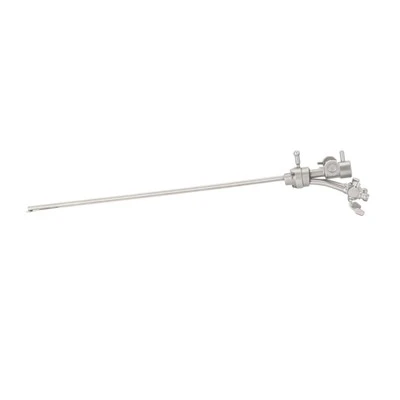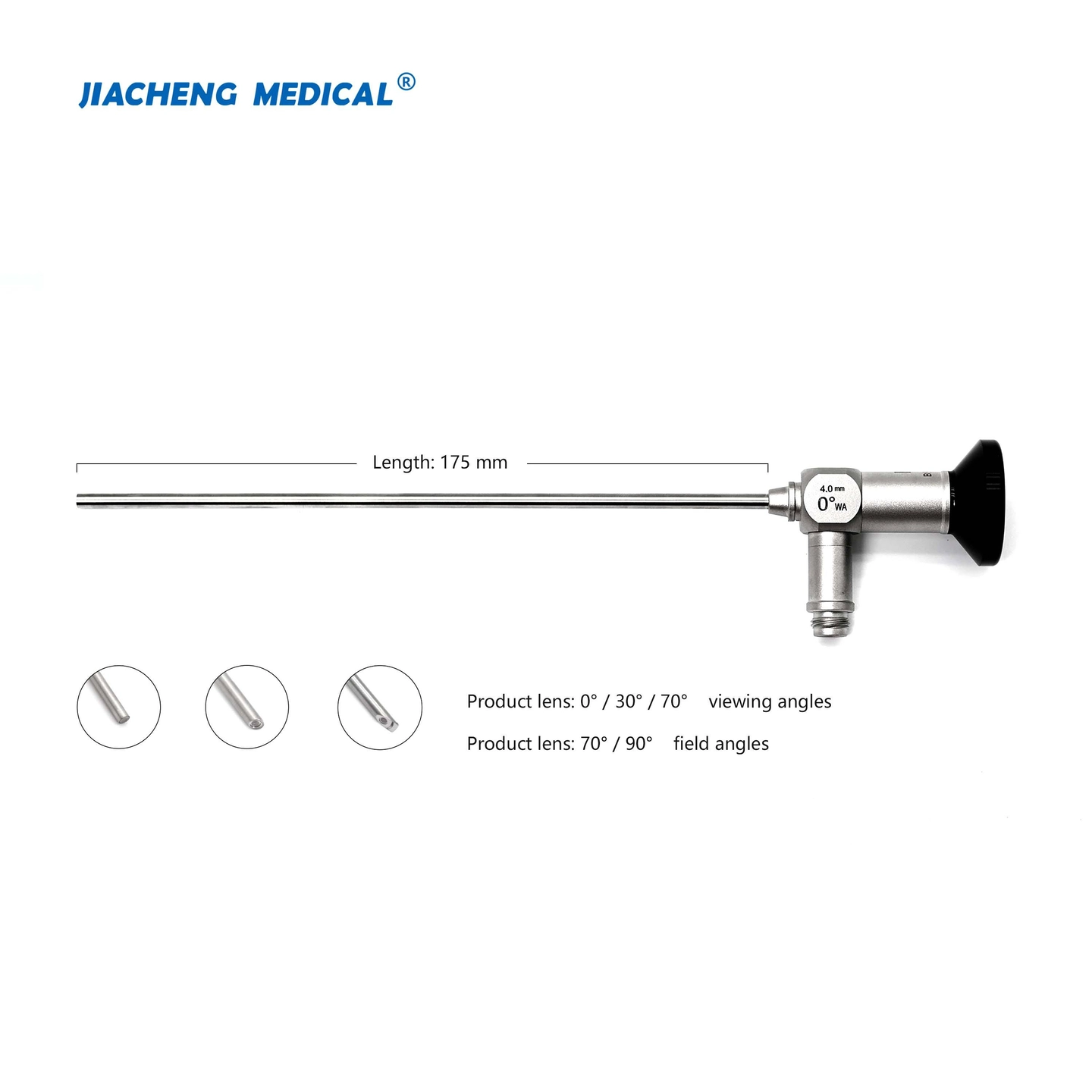



During rigid endoscope repair and assembly, adhesives serve three core functions: structural fixation to prevent lens shifting, optical coupling to minimize light loss at component interfaces, and airtight sealing to block moisture and contaminants from entering the optical stack. The selection and proper application of adhesives directly determine structural stability, sealing performance and service life of endoscopes. Bonding optical components including objective lenses, scope tubes and rod lenses imposes stringent requirements on adhesive heat resistance, bonding strength and operational procedures.
Our team independently developed two optical-grade adhesives: high-temperature resistant adhesive and UV adhesive, engineered to address the above technical demands. The high-temperature resistant adhesive holds patents for high-temperature resistance, acid & alkali resistance and waterproof performance, delivering outstanding chemical stability with proprietary technical advantages. This article covers application scenarios, operating procedures and safety guidelines for both adhesives.

Product Diagram
High-Temperature Resistant Adhesive
For bonding components requiring superior stability and bonding strength, such as objective lenses and scope tubes.
Product Properties
- Semi-transparent with good fluidity to deliver reliable airtight sealing
- Continuous heat resistance up to 500°C
- Excellent adhesion to glass and stainless steel substrates
- Superior anti-aging, acid and alkali resistance; patented for high-temperature tolerance, chemical resistance and waterproofing
- Do not allow the adhesive to come into contact with alcohol during use; otherwise, it will dissolve and compromise the bonding performance.
Storage Instructions
- Store at room temperature under normal conditions.
- For long-term storage or high ambient temperature environments, refrigerate at approximately 4°C. Ensure containers are fully sealed to prevent moisture ingress. Allow the adhesive to warm back to room temperature before opening to avoid condensed moisture mixing into the compound.

Diagram showing refrigerated storage of glue
Mixing Ratio
This two-part adhesive system requires mixing Part D and Part H at a weight ratio of 1:2.
Operating Procedures
- Mixing: Weigh out the required volumes and stir thoroughly in one consistent direction for roughly 2 minutes; prepare only the quantity needed for immediate use.
- Working Time: Complete all bonding operations within 30 minutes after mixing. The adhesive will thicken faster as ambient temperature rises, so strictly monitor usable time.
- Dispensing: Apply a moderate amount of adhesive at joint surfaces while retaining sufficient fluidity.
- Initial Curing: After positioning bonded components, leave them undisturbed for 8–12 hours for preliminary curing.
- Excess Adhesive Removal: Use a toothpick dipped in alcohol to wipe away overflow adhesive. Fully cured adhesive forms a rigid layer and becomes extremely difficult to remove.
- Post-Curing Heat Treatment: After trimming excess glue, heat the assembly at 60°C for complete final curing.

Diagram of glue mixing
Hazard Statements
|
Part D |
Part H |
|
May cause skin irritation |
May cause skin irritation |
|
May cause allergic skin reactions |
May cause allergic skin reactions |
|
Causes serious eye damage |
Causes serious eye damage |
|
Very toxic to aquatic life with long lasting effects |
May cause respiratory irritation |
|
/ |
Harmful to aquatic life |
UV Adhesive
Designed for bonding rod lenses and other optical components; favored for simple operation and fast curing. The clear, colorless formulation is ideal for optical assemblies requiring high light transmittance and precise positioning.
Product Properties
- High light transmittance to maximize optical path efficiency
- High hardness after curing for rigid support and precise component alignment
- Tolerates high temperature and high-pressure sterilization; performance remains stable after repeated sterilization cycles
Storage Instructions
- Store at room temperature.
- For long-term storage or hot weather, refrigerate at approximately 4°C. Avoid exposure to strong light or ultraviolet radiation to prevent premature curing. Ensure tight container sealing to block moisture. Let the adhesive return to room temperature before opening to prevent water condensation contamination.
Operating Procedures
- Single-component formula, no mixing required; dispense directly according to bonding area. Control dispensing volume to avoid excess glue that impairs light transmission and complicates post-assembly cleaning.
- Critical note: Contact with alcohol will dissolve the adhesive and compromise bonding strength.
Hazard Statements
- May cause skin irritation
- May trigger allergic skin reactions
- Causes serious eye damage
- May cause respiratory irritation
- Harmful to aquatic life
General Protective Guidelines
- Keep work areas away from ignition sources and maintain adequate ventilation.
- Wear respirators, safety goggles and chemical-resistant gloves during handling to prevent direct skin contact with adhesives.
- In case of accidental skin or eye contact, flush thoroughly with abundant clean water and seek medical attention promptly.
- Discard waste adhesive, empty glue cartridges and contaminated cleaning waste in compliance with local environmental regulations and internal company protocols; do not discharge arbitrarily.
For inquiries and further technical details, please visit our contact page: [contact us →]
Attachment:Patent Certificate for High-Temperature Resistant Adhesive