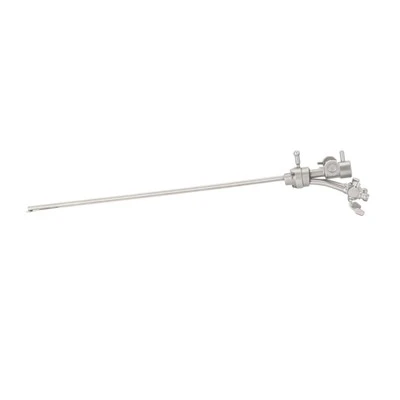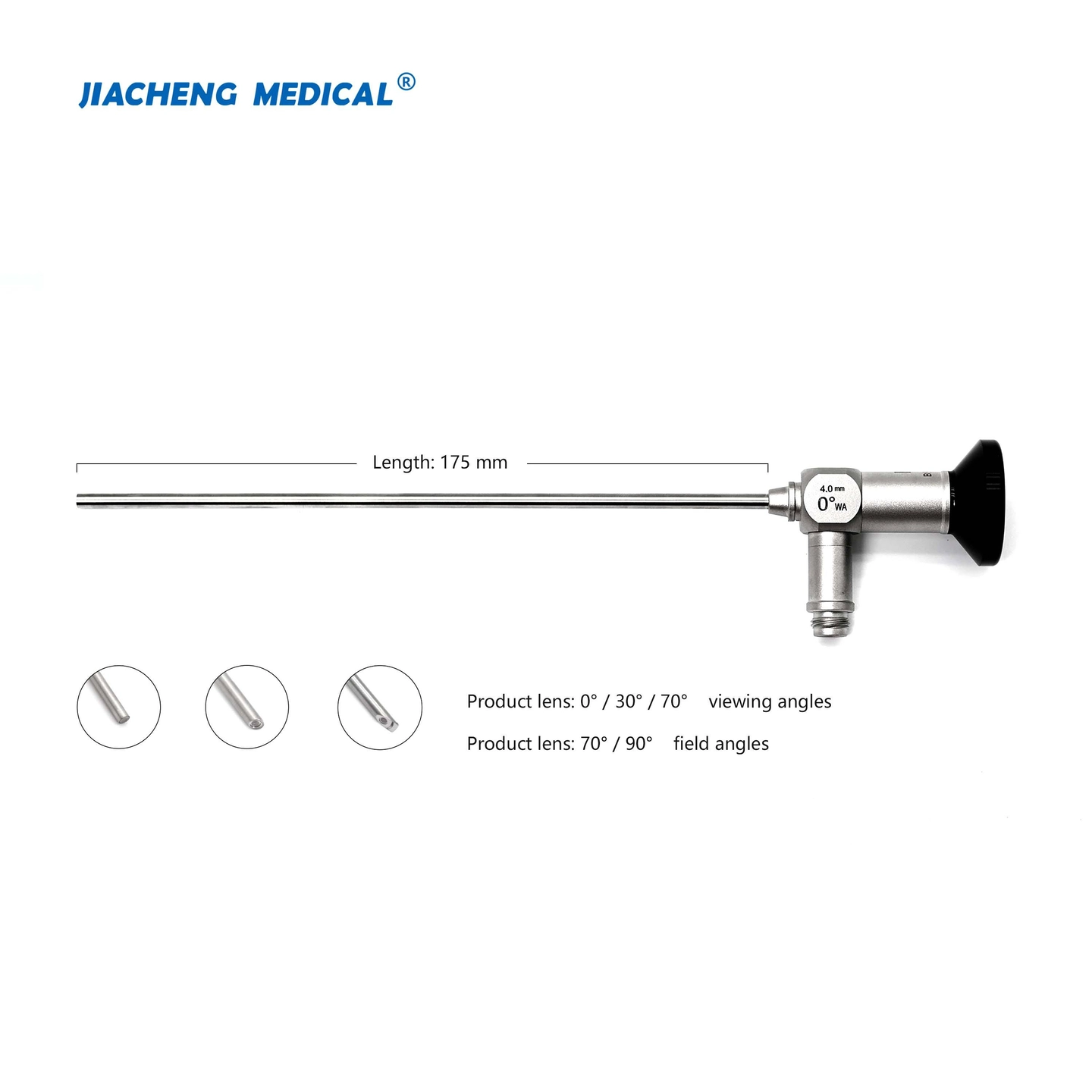



In our previous article, we covered rigid endoscope disassembly and external cleaning for repair. Building on that foundation, this chapter focuses specifically on the stringent cleanliness standards and standardized operating procedures for optical assembly for rigid endoscopes.


Operation and Cleaning Procedures
During repeated clinical use and high-temperature high-pressure sterilization, subtle internal degradation gradually occurs within rigid endoscope shafts. A prevalent issue stems from volatile substances vaporizing under high heat, then condensing onto optical lens surfaces once temperatures drop. These condensates may surface right after sterilization or accumulate incrementally during patient procedures, steadily creating blurry images, degrading image clarity and compromising diagnostic reliability.If lenses and spacer tubes are not thoroughly cleaned before assembly, and technicians proceed with reassembly merely based on casual visual inspection, residual contaminants will inevitably resurface during subsequent performance calibration.
Several critical details demand strict attention when cleaning components for optical assembly. First concerns component marking practices. Many technicians use permanent marker pens on lenses or spacer tubes to track rod lens orientation and stacking sequence. This method carries substantial hidden risks: any leftover marker ink residue that survives cleaning will act as an internal contaminant. Under elevated temperatures, the residual ink volatilizes and recondenses across optical surfaces. A far safer alternative is graphite pencil marking. Graphite features stable chemical properties with zero volatility, posing no contamination threat to optical assemblies, and can be effortlessly wiped away during cleaning.
Cleaning of Rod Mirrors and Spacer Tubes
Second, standardized individual cleaning protocols for rod lenses and spacer tubes must be followed. Before initiating optical assembly, every internal component requires independent deep cleaning-this includes both optical surfaces on each rod lens unit and the exterior of every spacer tube. This process demands meticulous attention and patience; there are no shortcuts available. For cleaning, hold each optical component and wipe lens surfaces with alcohol-dampened swabs using circular motions or strokes radiating outward from the lens center. This method fully lifts grime rather than smearing it across the glass. Replace swabs frequently throughout the process to prevent soiled applicators from reintroducing contaminants to lens surfaces.

Optical system performance follows the "weakest link principle": substandard cleaning on just a single component will degrade the overall imaging performance of the entire endoscope. If visual defects are only detected post-assembly, pinpointing the contaminated part becomes nearly impossible. Technicians are forced to fully disassemble the stack once more for comprehensive re-cleaning and reassembly, drastically extending turnaround time and driving up repair costs.
assembly
Assembly following cleaning also adheres to rigid operational protocols. Technicians must never touch optical surfaces with bare fingertips; skin oils transfer instantly onto glass and create fresh contamination sources. Use sanitized dedicated tweezers for all component handling, and inspect each part upon every pick-up and placement. After full assembly, conduct a thorough visual inspection to confirm no visible smudges or blemishes exist along the entire optical light path before advancing to calibration. Should imaging irregularities emerge during testing, full disassembly for troubleshooting remains mandatory. Although this iterative inspection and rework process is labor-intensive, every step is indispensable to guarantee consistent repair quality with no allowable omissions.

In summary, any careless or incomplete step during rigid endoscope optical system servicing can force a full teardown and redo. This wastes valuable labor hours and elevates the risk of shaft damage stemming from repeated disassembly and reassembly cycles. This is why we consistently emphasize that cleaning is not a secondary, auxiliary repair step-it stands as one of the core processes that determines repair success or failure. In upcoming articles, we will break down brand- and model-specific operational details, including proper disassembly tool selection and precise heating temperature regulation for various rigid endoscope lines.