

autoclaving is a super important process in the medical field. It's basically a method of sterilization that uses high - pressure steam to kill off all sorts of microorganisms, like bacteria, viruses, and fungi. This is crucial because it ensures that the surgical instruments are safe to use on patients again and again.
Most reusable surgical instruments can indeed be autoclaved. The materials they're made of play a big role here. For example, many of our instruments are crafted from high - quality stainless steel. Stainless steel is great because it can withstand the high temperatures and pressures of the autoclaving process without getting damaged. It doesn't rust easily, and it maintains its shape and integrity. So, when you pop these stainless - steel instruments into an autoclave, you can be pretty confident that they'll come out clean and ready for the next surgery.
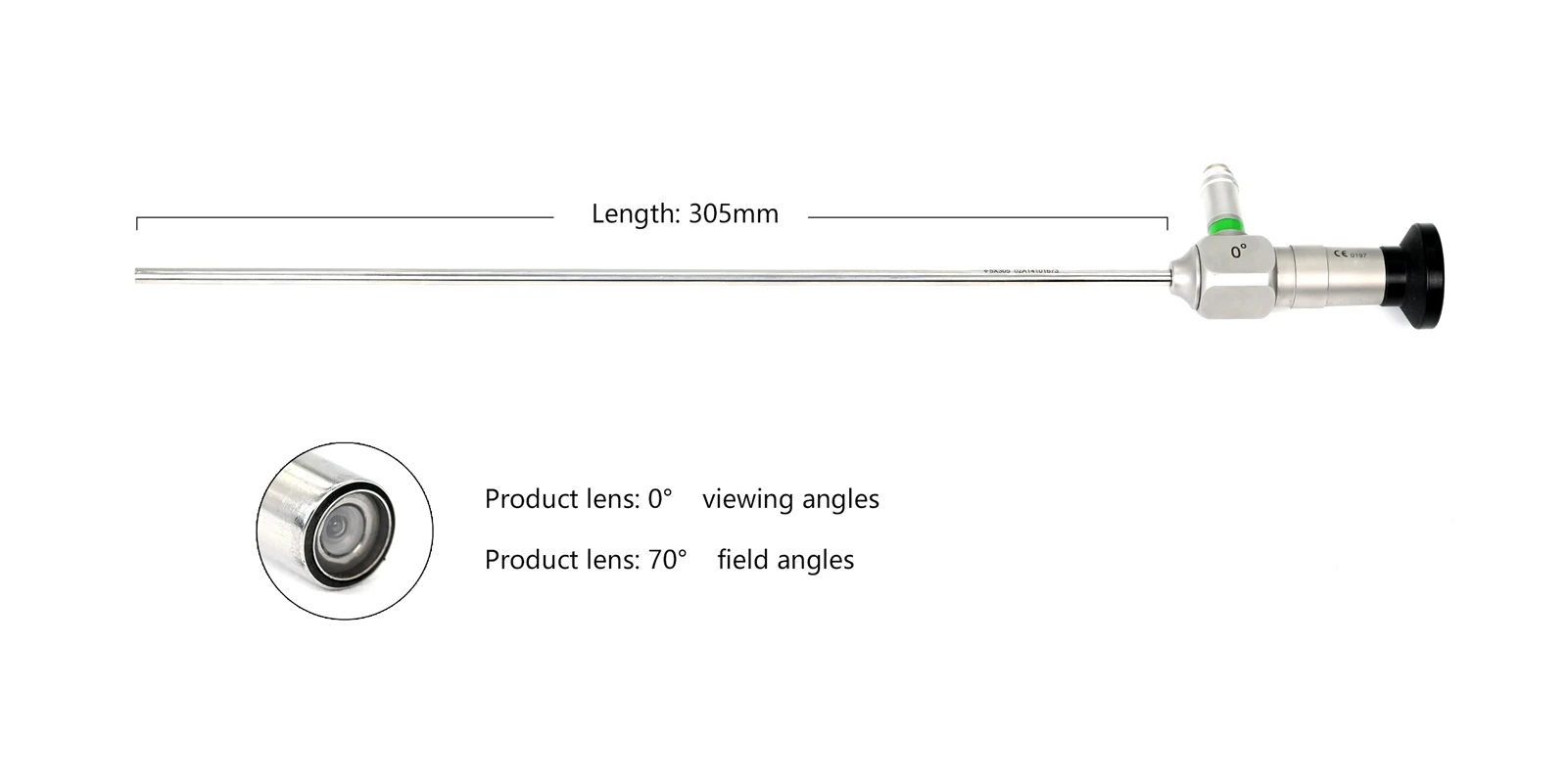
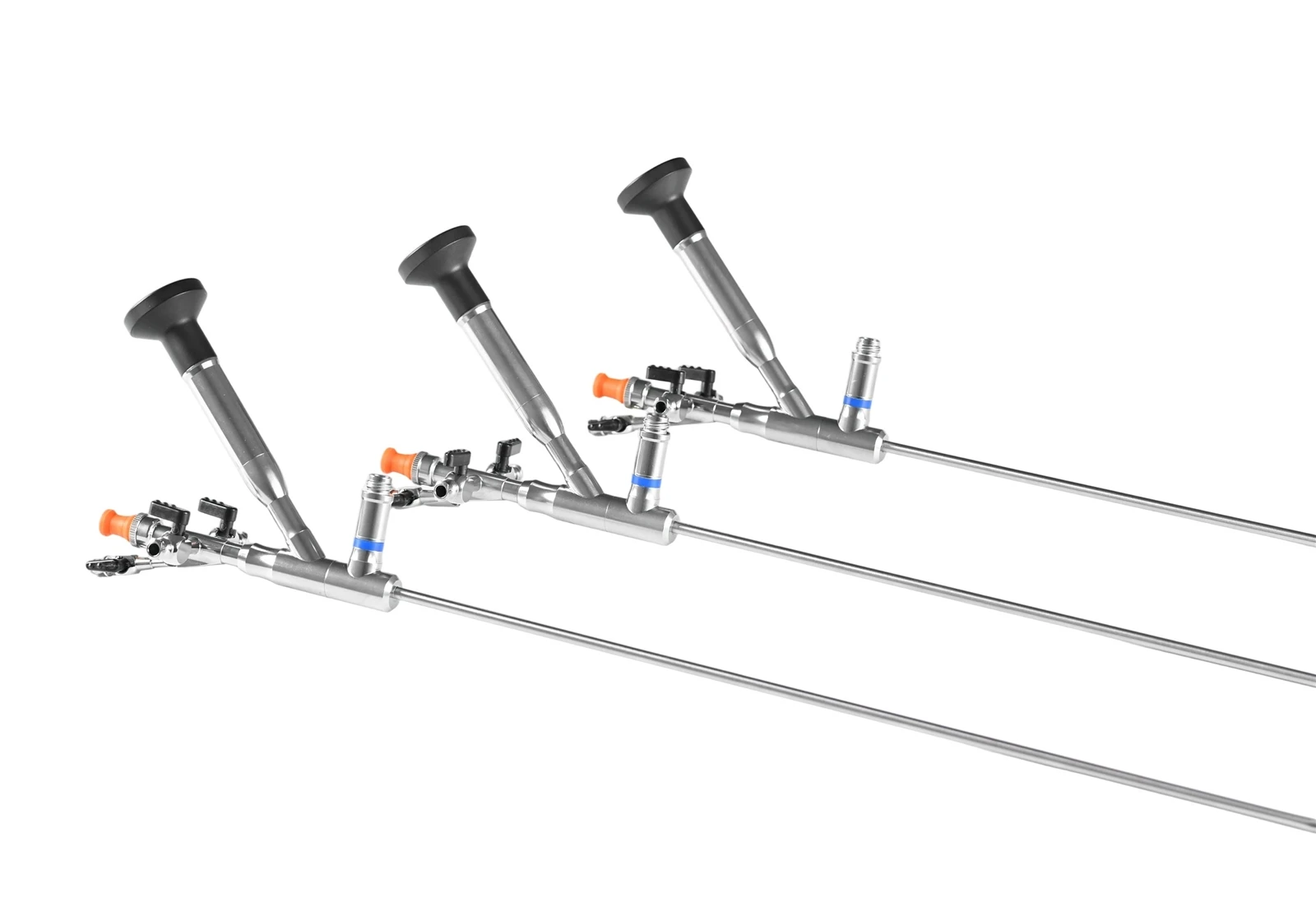
Let's talk about some of the specific types of reusable surgical instruments we offer. Take the Plasma Resectoscope. This is a really cool instrument used in urological surgeries. It can be autoclaved just fine. The components are designed in a way that they can handle the autoclaving conditions. The same goes for the Bipolar Resectoscope. These are used for procedures where electrical energy is applied, and they need to be sterile every time. Autoclaving is the go - to method for making sure they're free from any harmful germs.
Orthopedic surgeries are another area where our reusable instruments come in handy. Our Orthopedic Surgical Instruments are built tough. They're used for tasks like bone cutting, joint replacement, and fracture repair. Since they're made from durable materials, autoclaving is a reliable way to sterilize them. You don't want any infections in an orthopedic procedure, so having clean instruments is a must.
General surgeries also rely on a wide range of our General Surgical Instruments. Scalpels, forceps, and clamps are just a few examples. These instruments are constantly in use, and autoclaving helps keep them in a hygienic state. It's a cost - effective and efficient way to reuse them, which is great for hospitals and healthcare facilities looking to save money without compromising on patient safety.
Now, there are some things to keep in mind when autoclaving reusable surgical instruments. First of all, you need to make sure the instruments are properly cleaned before autoclaving. Any debris or organic matter left on the instruments can interfere with the sterilization process. So, a good pre - cleaning step is essential. You can use special enzymatic cleaners to break down any blood, tissue, or other substances on the instruments.
Secondly, the autoclaving parameters need to be set correctly. Different instruments may require different temperature, pressure, and time settings. For example, some delicate instruments may need a lower temperature and shorter time to avoid damage. It's important to follow the manufacturer's instructions carefully.
Another thing is that some instruments may have parts that can't be autoclaved. For instance, the Resectoscope Loop may have some electronic or plastic components that are sensitive to high temperatures. In these cases, you may need to use alternative sterilization methods, like chemical sterilization. But for the most part, the main body of the instrument can still be autoclaved.
One of the big advantages of reusable surgical instruments is the environmental impact. By reusing these instruments instead of using disposable ones, we're reducing waste. And autoclaving is a key part of making that reuse possible. It's a win - win situation. The healthcare facilities save money, and the environment benefits from less waste.
However, there are also some challenges. Sometimes, repeated autoclaving can cause wear and tear on the instruments. Over time, the edges of scalpels may become dull, or the joints of forceps may loosen. That's why it's important to regularly inspect the instruments for any signs of damage. If an instrument is damaged, it should be repaired or replaced to ensure its effectiveness and safety.
In conclusion, most reusable surgical instruments can be autoclaved, and it's a vital part of the sterilization process. As a supplier, we make sure that our instruments are designed to withstand autoclaving. We also provide detailed instructions on how to clean and autoclave them properly.
If you're in the market for high - quality reusable surgical instruments, we'd love to talk to you. Whether you're a hospital, a surgical center, or a supplier, we can offer you a wide range of options to meet your needs. Just reach out to us, and we can start a conversation about your requirements.