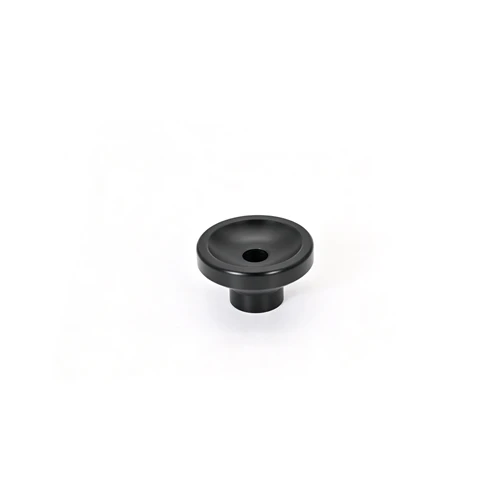


Endoscope lens hoods fall into two categories: integrated rigid lens hood (inherent front‑end component of rigid endoscopes) and disposable sterile external lens protective cover (surgical consumable). They primarily protect the most vulnerable front‑end assemblies of endoscopes: objective lens, light‑guide window and optical fiber end‑face. Damage to the front tip will result in dark spots, shadows, blurriness, brightness attenuation and image distortion, leading to extremely high maintenance costs. Below is a detailed description covering mechanical protection, resistance to sterilization conditions, anti‑fouling & anti‑fog performance, infection control, optical imaging regulation and typical failure risks.
1. Mechanical Protection: Resistance to Physical Impact and Abrasion
During minimally‑invasive procedures, the lens tip repeatedly contacts human tissues, bones, trocar sheaths, graspers, electro‑surgical instruments and morcellators; collision and friction are inevitable.
- Prevent direct scratching and impact on objective lens The protective glass of rigid lens hood acts as a sacrificial layer to bear friction and impact, avoiding direct external force on the internal objective lens. Rigid endoscope objective lenses are thin with precision anti‑reflection coatings. Tiny scratches may permanently leave dark spots or stripes; edge chipping will produce fan‑shaped shadows. Disposable protective covers use transparent films to isolate metallic surgical instruments from the lens surface and prevent scratches caused by instrument tips or jaw teeth.
- Resist impact from foreign particles and debris Intra‑operative tissue fragments, bone chips and calcified particles may splash at high speed. The lens hood blocks hard particles from striking coatings and lens substrates, preventing coating peeling and surface pitting.
- Disperse external force and reduce tip stress The integrated metallic lens hood forms a protective annular retaining rim, with the objective glass recessed inside. Collision force on the side wall is borne by the metal housing instead of being transferred to optical lenses and bonding adhesives. This greatly reduces the risk of tip delamination - a common failure for rigid endoscopes which causes water ingress, internal fogging and hazy images.
2. Protection against Sterilization Environments: Resist Disinfectants and Temperature‑Humidity Degradation
Endoscopes undergo repeated sterilization processes including high‑pressure steam, low‑temperature plasma, glutaraldehyde and peracetic acid. High temperature, moisture and chemical agents may erode optical components.
- Block moisture and disinfectant to protect adhesive layers Objective lenses are assembled with optical adhesives. Long‑term exposure to moisture and chemical disinfectants causes adhesive swelling, whitening and delamination. The glass‑to‑metal hermetic structure of rigid lens hood prevents moisture penetration into the endoscope and avoids internal fogging or water intrusion.
- Preserve optical coatings Multi‑layer anti‑reflection coatings on objective lenses are vulnerable to corrosion and discoloration by strong disinfectants, which reduces light transmittance and yields yellowish‑dark images. The outer protective glass bears chemical attack and safeguards the high‑value internal objective coatings.
Note: Disposable thin‑film lens hoods are only for intra‑operative isolation and must be removed before high‑temperature sterilization. Integrated rigid hoods are designed for repeated sterilization cycles.
3. Intra‑operative Anti‑fouling & Anti‑fog to Stabilize Imaging Quality
Blood, exudate, fat and mucus exist inside body cavities. Temperature difference between the cold endoscope and warm cavity frequently triggers fogging, one of the major causes of poor visualization during endoscopic surgery.
- Avoid direct contamination of objective lens surface Blood, fat particles and tissue debris adhere to the outer surface of lens hood rather than the objective lens. Without protection, contaminants will obscure the view, requiring repeated instrument withdrawal for lens wiping, interrupting surgery and prolonging operation time.
- Anti‑fog coating suppresses condensation fogging Most disposable lens hood films are pre‑coated with medical anti‑fog coating. When a cold endoscope enters a warm body cavity, water vapor condenses. The coating spreads condensate into a uniform water film instead of discrete droplets, preventing light scattering and blurry vision.
Limitation: Built‑in rigid protective glass has no anti‑fog coating; anti‑fog agent is still required during surgery. Disposable hoods may fog if surface coating is damaged by blood.
- Reduce adhesion of electro‑surgical by‑products Smoke and carbonized particles generated by electro‑coagulation or electro‑resection tend to deposit on cold optical surfaces and form eschar. The lens hood accepts such deposits and protects the objective optics.
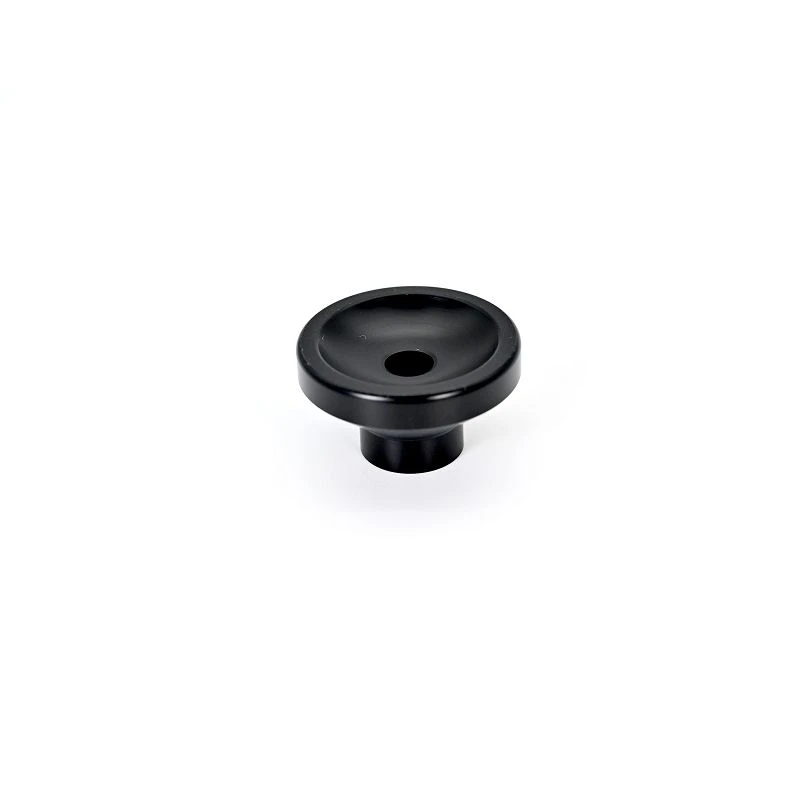
4. Sterile Barrier and Hospital‑acquired Infection Control (Core Value of Disposable Lens Hoods)
- Bidirectional physical isolation barrier The thin‑film disposable hood forms a physical barrier, preventing blood, body fluids and pathogens from the patient contacting the endoscope tip. Even after reprocessing, tiny crevices on reusable endoscopes carry residual risks. The hood adds an extra isolation layer to lower cross‑infection probability.
- Reduce cleaning and disinfection burden for reusable endoscopes Since the lens does not directly contact lesion fluids, heavy blood clots and tissue residues are avoided at the tip. This lowers hidden risks of incomplete post‑procedure cleaning and reduces endoscope wear.
- Suitable for surgical cases with high infectivity risk Disposable lens hoods further mitigate contamination levels of endoscopes for patients with highly infectious diseases.
Note: Integrated rigid lens hood is part of the endoscope itself and provides no patient‑isolation function. Full cleaning and sterilization are mandatory after each use.
5.Optical Imaging Regulation
- Define working distance The rim height of rigid lens hood sets the minimum working distance between objective lens and target tissue. It prevents direct lens‑to‑tissue contact, which would result in out‑of‑focus or darkened field‑of‑view, and maintains optimal focusing range.
- Preserve illumination light path Structural design avoids blocking surrounding light‑guide windows to guarantee adequate intra‑cavity illumination. Poor‑quality hoods may partially occlude light ports and cause local dimness.
- Suppress stray scattered light Inner surfaces of metallic retaining rims adopt light‑absorbing treatment to reduce intra‑cavity reflected stray light entering the objective lens, minimizing glare and halo and improving image contrast.
6. Typical Failure Phenomena Caused by Damaged or Improperly‑installed Lens Hood
For integrated rigid hood:
- Cracked protective glass or sealing failure → water ingress and persistent internal white fog
- scratched protective glass → fixed dark spots
- deformed metal rim from collision squeezes lens and leads to lens chipping
For disposable lens hood:
- Assembly wrinkles or trapped air bubbles → local ghost image and wavy artifacts
- film tear → loss of isolation protection
- loose fitting and displacement → partial field‑of‑view occlusion