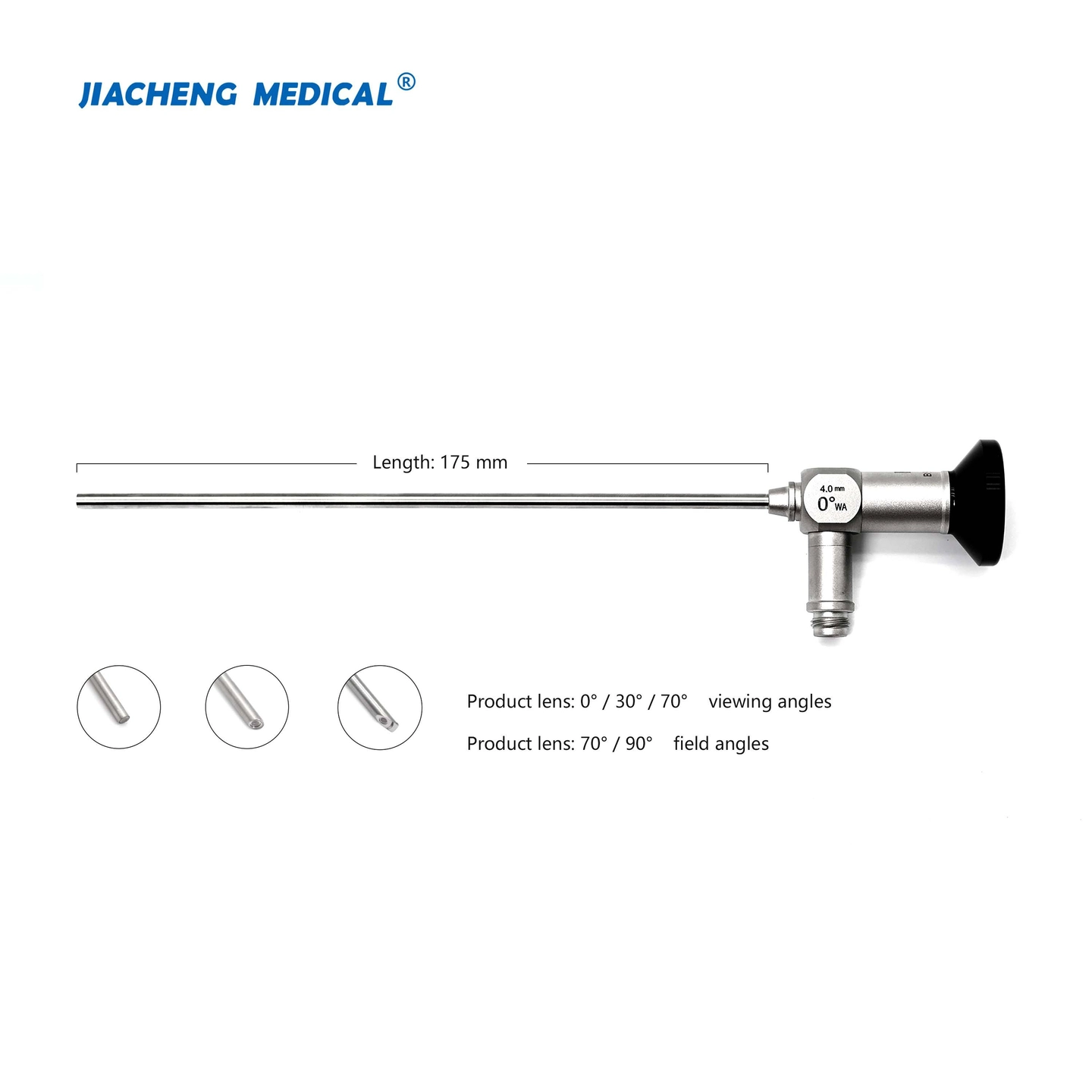


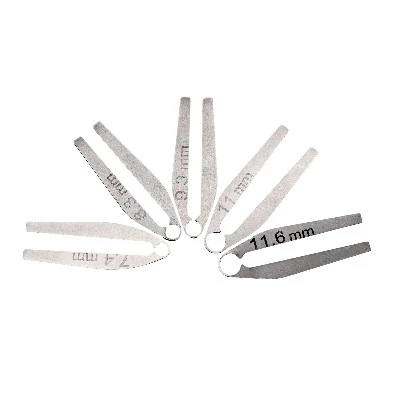
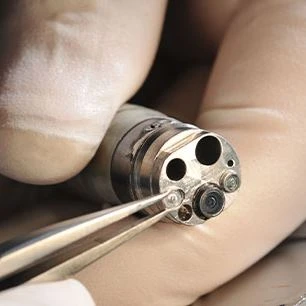
A rigid endoscope is a medical device composed of multiple precision components. These components work together to ensure clear image transmission and stable device performance. Over time, some components may experience wear, damage, or material degradation. Regular inspection and timely replacement are therefore essential to maintaining the device's proper functionality.
For endoscope repair technicians and specialized repair workshops, selecting the right replacement parts is essential. However, finding suitable replacement components is not always straightforward. Rigid endoscopes from different brands and models may vary in component dimensions, connection structures, and technical specifications. Even if two parts look similar, they are not necessarily interchangeable.
Using incompatible replacement parts may affect image quality, illumination performance, structural integrity, and the overall reliability of the repaired device.
So, how do you choose the right rigid endoscope accessories? This article introduces the common types of rigid endoscope components and their functions, then explains the key factors to consider when selecting replacement parts to help repair professionals identify and source suitable components more accurately.
What Are the Common Accessories of a Rigid Endoscope?
Rigid endoscopes contain various optical, illumination, mechanical, and sealing components. Each type serves a different purpose, and all components work together to ensure the device operates properly

1.Optical Components
Optical components are responsible for image transmission and image formation. They are among the key factors affecting image clarity, brightness, and overall imaging quality.
Common optical components include:
- Rod Lenses: Used to transmit images through the optical system of the endoscope.
- Objective Lenses: Capture images from the area being observed.
- Eyepieces: Provide the viewing interface for the optical system.
- Prisms: Change the direction of light and image transmission within the optical assembly.
- Optical Lenses: Used for focusing and image transmission.
Since different optical components must work together according to the original optical system design, their dimensions, optical properties, surface quality, and installation positions must meet the corresponding requirements.
When replacing optical components, repair technicians should pay particular attention to image clarity, optical compatibility, and component assembly specifications.
2. Illumination Components
Illumination components transmit light to the observation area, providing the necessary illumination for endoscopic examinations and surgical procedures.
Common illumination components include:
- Light Guide Fibers: Transmit light through fiber-optic structures.
- Light Guide Bundles: Consist of multiple optical fibers bundled together to transmit illumination.
- Light Guide Connectors: Connect the light guide system to compatible light sources.
- Fiber Optic Components: Support light transmission within the illumination system.
The performance of illumination components directly affects the quality of light delivered to the observation area. Key considerations include fiber quality, fiber arrangement, and connection structures.
Our company supplies Rigid Endoscope Shaft Assemblies featuring a pre-assembled design, including an inner tube, outer tube, and integrated illumination fiber bundle. The fiber optic tips are pre-ground, polished, and bonded, eliminating the need for customers to perform fiber insertion, grinding, polishing, or bonding themselves. The assemblies are ready for subsequent integration, helping simplify the assembly process and improve production efficiency.
3.Mechanical Components
Mechanical components provide structural support and maintain the overall integrity of the rigid endoscope.
Depending on the device design, common mechanical components include:
- Outer Tubes: Form the external structure of the endoscope.
- Inner Tubes: Support internal components and maintain their arrangement.
- Protective Tubes: Protect internal components from external damage.
- Connecting Components: Connect different structural parts.
- Structural Components: Help maintain the overall mechanical integrity of the device.
When selecting replacement mechanical components, repair technicians should focus on material properties, dimensional accuracy, surface finish, and structural compatibility.
Common problems include deformation, wear, loose connections, and physical damage.
4.Sealing Components
Sealing components protect internal structures and help maintain the required sealing performance of the endoscope.
Common sealing components include:
- O-Rings: Provide sealing between connected components.
- Sealing Rings: Help prevent liquid ingress at designated connection points.
- Sealing Gaskets: Provide sealing between assembled surfaces.
- Other Sealing Components: Designed for specific sealing structures in particular endoscope models.
Different sealing components may vary in shape, dimensions, and material requirements. When selecting replacement seals, it is important to consider their dimensions, material properties, and compatibility with the cleaning and reprocessing procedures specified for the device.
Common problems include aging, deformation, wear, and physical damage, which may result in moisture ingress or leakage.
You can click the hyperlinks in the article to visit the corresponding product pages. If you need any components not listed above, please feel free to contact us.[ contact us→ ]
Common Failure Symptoms and Inspection Areas
| Component Category | Common Failure Symptoms | Key Inspection Areas |
|---|---|---|
| Optical Components | Blurry images, black spots, dark lines, yellowing, abnormal brightness | Objective lenses, rod lenses, eyepieces, prisms |
| Illumination Components | No light at the distal end, reduced brightness, uneven illumination, abnormal light output | Light guide bundles, optical fibers, light guide connectors |
| Mechanical Components | Endoscope body deformation, loose connections, component displacement, abnormal assembly | Outer tubes, inner tubes, connectors, structural components |
| Sealing Components | Internal fogging, water ingress, leakage, seal deterioration | O-rings, sealing rings, sealing gaskets |
If you're unsure what is causing the problem, you can send the device to us for inspection and repair. We will provide a complete repair service.
Key Factors to Consider When Selecting Rigid Endoscope Accessories

Selecting replacement parts for rigid endoscopes involves more than identifying the basic component type. It requires a comprehensive evaluation of model compatibility, material properties, manufacturing precision, optical performance, and environmental suitability.
For medical equipment distributors, endoscope repair service providers, and professional procurement teams, ensuring that replacement parts meet the required technical specifications is essential to proper assembly, device performance, and long-term reliability.
Different component categories have different technical requirements. For example, optical components require careful evaluation of optical parameters and manufacturing precision, while illumination components require attention to light transmission performance and connector specifications. Mechanical components must meet dimensional tolerance and structural strength requirements, whereas sealing components require suitable material properties and sealing compatibility.
Therefore, before purchasing replacement parts, it is recommended to evaluate the following factors.
1. Model Compatibility
Rigid endoscopes from different brands and models may differ significantly in internal optical structures, component dimensions, connection methods, and assembly designs.
When purchasing replacement parts, the first step is to confirm whether the component is compatible with the target device model rather than relying solely on its product name or appearance.
The following information should be carefully checked:
- Device Brand and Model: Confirm the brand, model, and specific specifications of the rigid endoscope for which the replacement part is intended.
- Original Part Number: If the original component has a dedicated part number, use it as a reference when identifying replacement products.
- Dimensions and Structural Specifications: Verify the length, outer diameter, inner diameter, thickness, and other critical dimensions.
- Interfaces and Connection Methods: Check the interface type, connection structure, and installation position.
- Technical Drawings and Reference Samples: For non-standard components, use original part samples, dimensional drawings, or technical documentation for further verification.
Compatibility requirements also vary depending on the component type:
| Component Category | Key Compatibility Parameters |
|---|---|
| Rod Lenses | Outer diameter, length, end-face curvature, optical specifications |
| Objective Lenses | Diameter, thickness, optical parameters, mounting structure |
| Light Guide Bundles | Length, number of optical fibers, light cone and connector specifications |
| Outer and Inner Tubes | Outer diameter, inner diameter, wall thickness, length |
| O-Rings and Sealing Components | Inner diameter, cross-sectional dimensions, groove structure, material |
If compatibility cannot be confirmed through the product number, you can provide the supplier with the device model, photographs of the original component, critical dimensions, or technical drawings for further verification.
2. Material, Manufacturing Process, and Performance Requirements
Material selection, manufacturing processes, and dimensional accuracy directly affect the assembly compatibility, functional performance, and reliability of rigid endoscope components.
Since different components serve different purposes and have different structural requirements, their quality should be evaluated according to their specific functions.
The main quality requirements for each component category are outlined below.
①Optical Components
Applicable to rod lenses, objective lenses, prisms, and eyepieces.
Key factors to consider:
- Material and Surface Quality: Optical material transmission properties, lens surface flatness, and coating quality.
- Dimensional and Manufacturing Accuracy: Lens dimensions, curvature, focal length, and other critical optical parameters.
- Assembly Quality: Bonding processes, component fit, and optical alignment accuracy.
- Functional Performance: Light transmission, image clarity, and optical transmission performance.
Optical components must not only meet dimensional compatibility requirements but also conform to the design specifications of the original optical system to avoid compromising overall image quality.
②Illumination Components
Applicable to light guide bundles, optical fibers, and light cones.
Key factors to consider:
- Material and Structure: Optical fiber material, diameter, quantity, and arrangement.
- Manufacturing Quality: Fiber end-face quality, bundling structure, and light guide interface precision.
- Assembly Quality: Connection stability and interface compatibility.
- Functional Performance: Light transmission efficiency, illumination uniformity, and optical coupling performance.
The number of optical fibers, effective light-transmitting cross-sectional area, and end-face manufacturing quality can all affect the final illumination performance.
③Mechanical Components
Applicable to outer tubes, inner tubes, and various structural connectors.
Key factors to consider:
- Material Properties: Metal type, mechanical strength, and corrosion resistance.
- Machining Accuracy: Inner and outer diameters, length, wall thickness, and critical fitting dimensions.
- Surface Quality: Surface treatment, roughness, and machining defects.
- Structural Performance: Structural strength, dimensional stability, and assembly positioning accuracy.
Mechanical components must meet the structural design and assembly requirements of the original device to ensure stable component fit and reliable assembly.
④Sealing Components
Applicable to O-rings, sealing rings, and sealing gaskets.
Key factors to consider:
- Material Properties: Elasticity, resilience, temperature resistance, and chemical resistance.
- Dimensional Accuracy: Inner diameter, outer diameter, cross-sectional dimensions, and compression requirements.
- Sealing Performance: Sealing interface compatibility and sealing reliability under specified operating conditions.
- Environmental Compatibility: Compatibility with the cleaning, disinfection, and sterilization procedures specified for the device.
For example, some sealing structures use fluorocarbon rubber (FKM). However, the appropriate material must be determined according to actual temperature conditions, chemical exposure, and sterilization requirements. Material suitability should never be judged by the material name alone.

3. Durability and Reprocessing Compatibility
Rigid endoscopes and their associated components must meet the specified requirements for use, cleaning, disinfection, and sterilization.
Therefore, component durability should not be assessed solely based on material hardness or initial performance. Their stability under the intended operating and reprocessing conditions must also be considered.
Different components require different performance criteria. In particular, it is important to understand that a material's ability to withstand high temperatures does not automatically mean it is suitable for every medical device sterilization process.
When selecting replacement components, refer to material supplier documentation, component manufacturer instructions, and the reprocessing requirements specified by the device manufacturer.
Selection Recommendation: Before purchasing replacement parts, clearly identify the intended operating conditions, especially the required cleaning, disinfection, and sterilization methods. Confirm that the materials and components have been appropriately validated for the intended application before using them in the corresponding device.[ Learn More About High-Temperature Steam Sterilization of Endoscopes → ]
Related articles:
[ Jaw Arthroscope Repair Case: STRYKER (0502-119-010) & GIMMI (E.8186.20) →]
[ Disassembly of Laser-Welded Joints on Rigid Endoscopes →]
[ Repair of Debonded Rod Lenses in Rigid Endoscopes (Single Cementing) →]
[ Functional Endoscopic Sinus Surgery (FESS): A Clinical and Procurement Guide → ]